
EGR valve plugs
There are 697 products.
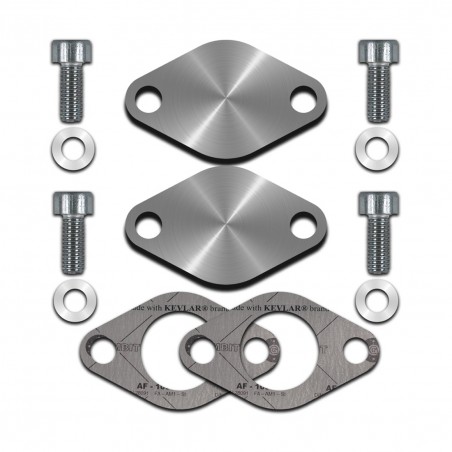
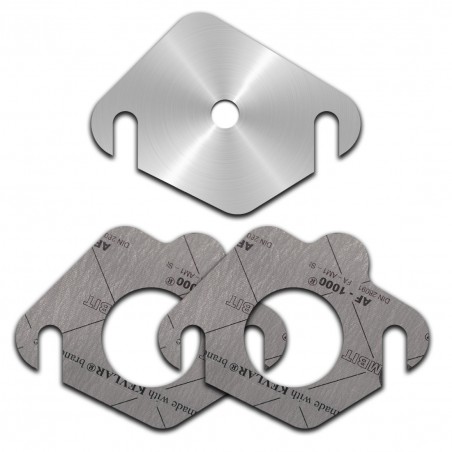
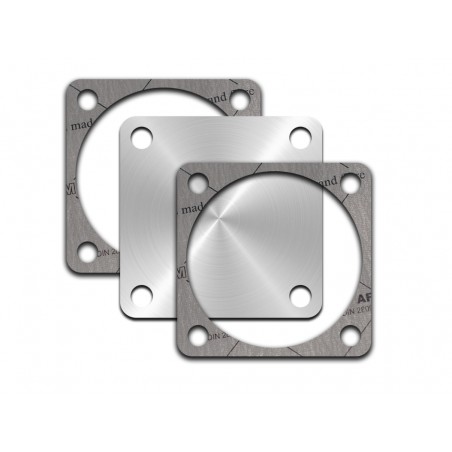
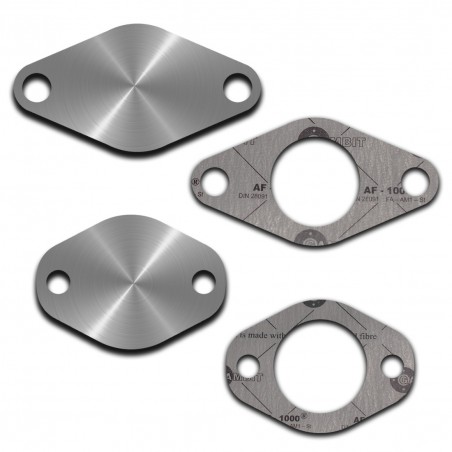
Popular parts and accessories
The products most frequently chosen by our customers


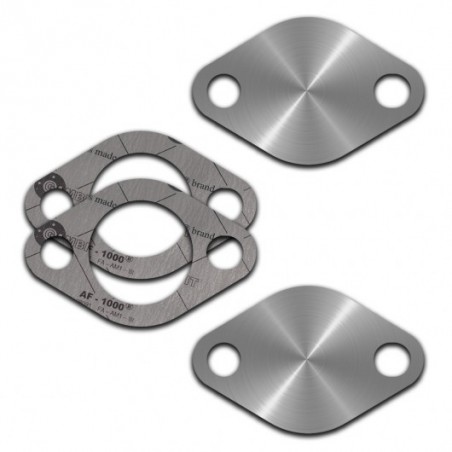
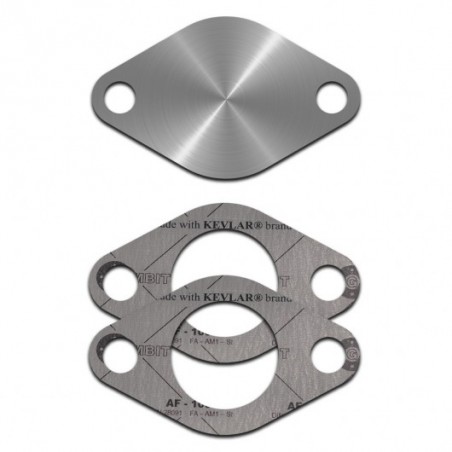
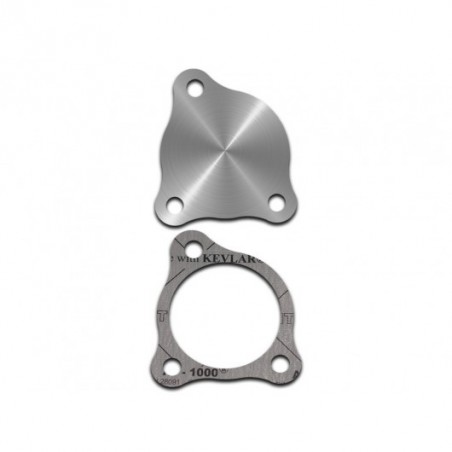
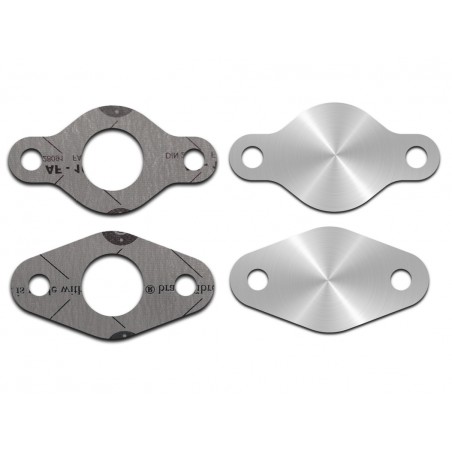
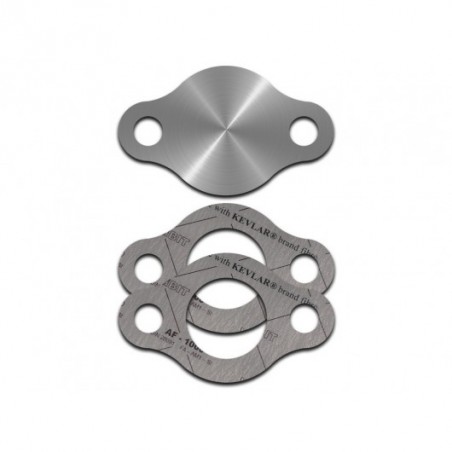
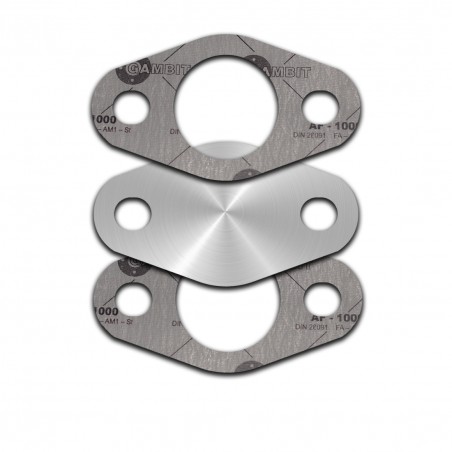
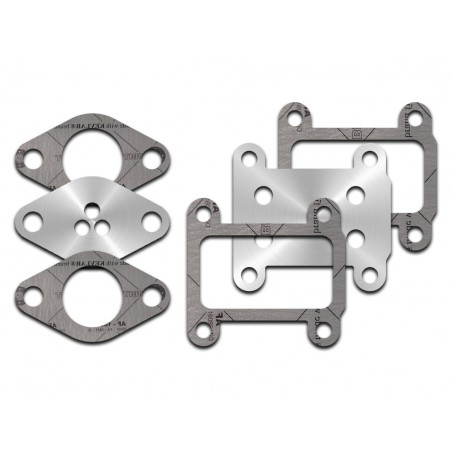
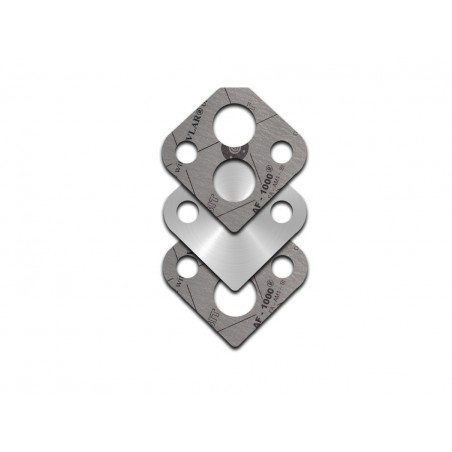
This is an effective technical solution used to improve the performance of a car’s exhaust system. The EGR plug blocks the flow of exhaust gases through the exhaust gas recirculation valve, which has a significant impact on reducing harmful emissions and improving engine performance. This is particularly important from an environmental perspective and in the context of legal regulations concerning emissions of harmful gases into the atmosphere.
Read moreBenefits of using EGR valve plugs
This method is appreciated by both car tuning enthusiasts and users wishing to protect their vehicle from the negative effects of pollution. These effects can lead to a reduction in engine power, increased fuel consumption and accelerated wear and tear on individual components of the system. Plugging the EGR valve therefore helps to avoid costly replacement or cleaning of the recirculation system, providing a simpler and less invasive solution.
Installation and durability of EGR plug materials
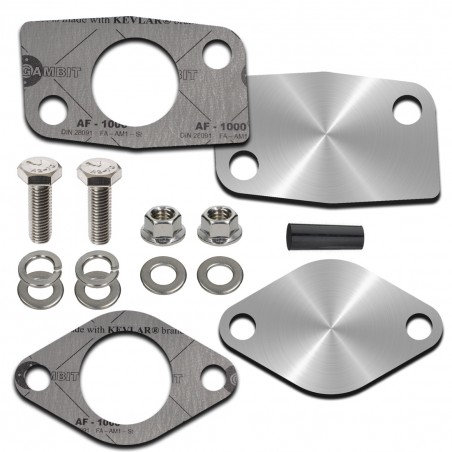
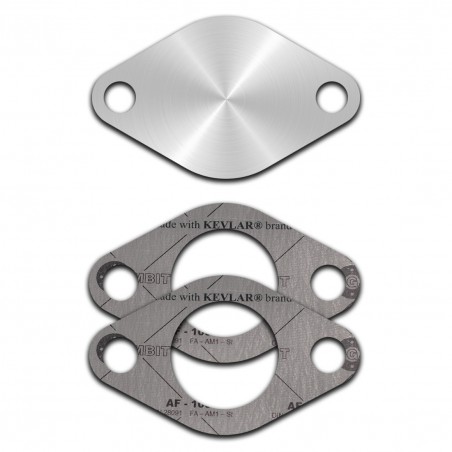
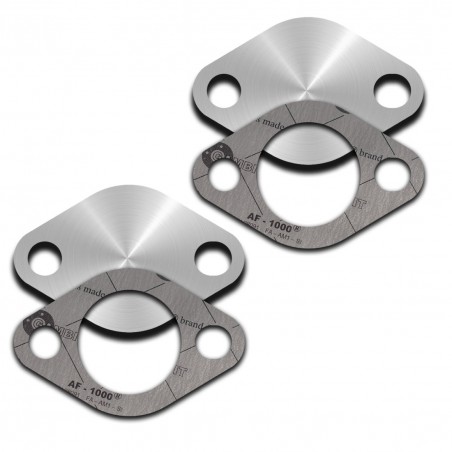
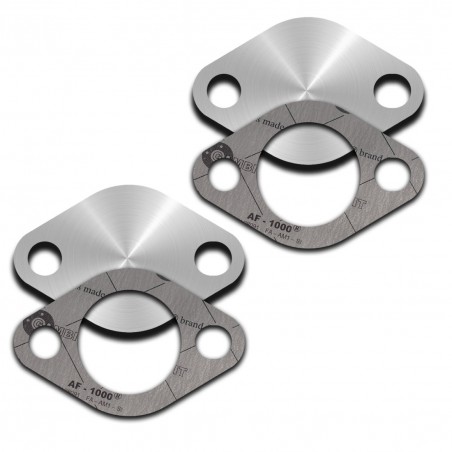
Our products are manufactured from materials resistant to high temperatures and harsh operating conditions, such as stainless steel and aluminium. Their installation does not usually require specialist equipment, but thorough knowledge and experience in vehicle mechanics is recommended to ensure the operation is carried out correctly. Many manufacturers offer comprehensive kits that simplify installation and ensure the long-term reliability of the products, which is extremely important for the safety and stable operation of the engine.
Not sure which EGR valve plug will fit your vehicle? Contact us – we’ll be happy to advise you on your choice!
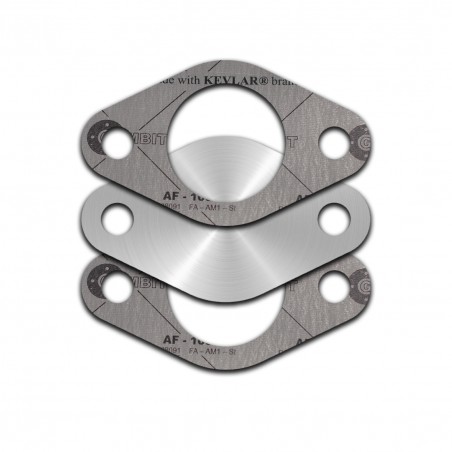
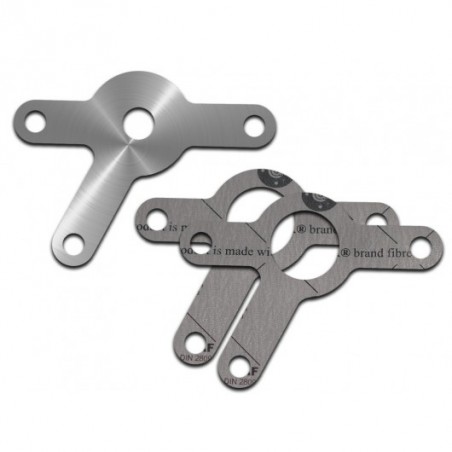
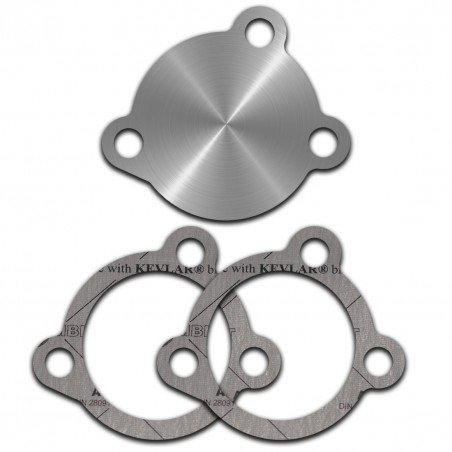
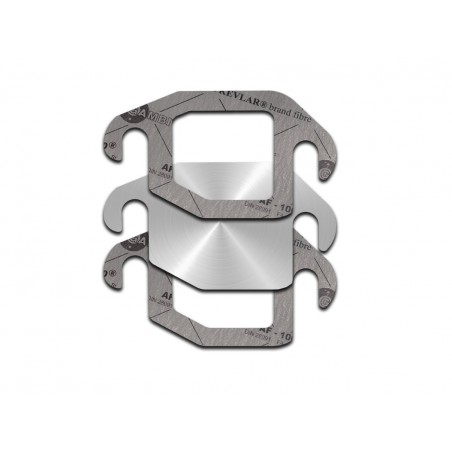
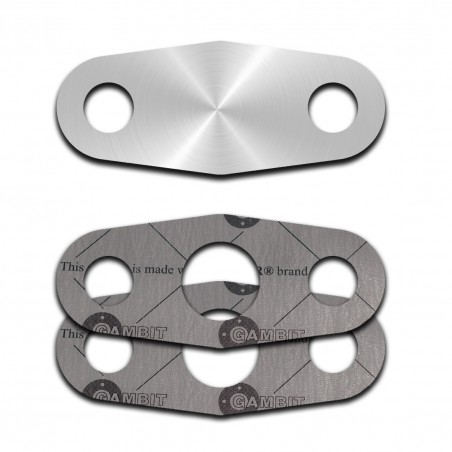
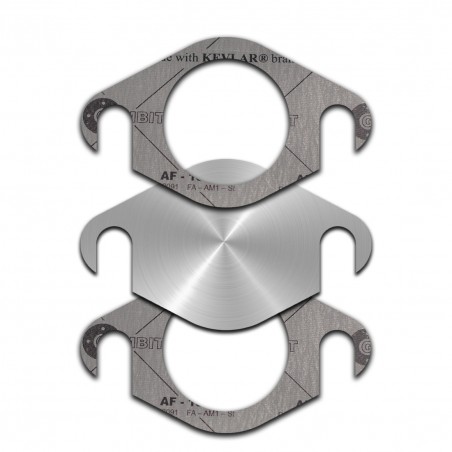
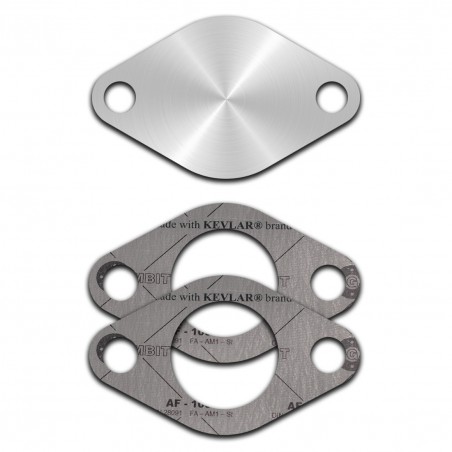
If you’re looking for an EGR plug, first identify the valve type and engine code. The choice depends on compatibility with the valve, not the car make itself. In such a wide-ranging catalogue, covering hundreds of variants for Ford, Opel, Fiat, the VAG group and Nissan models, mistakes usually stem from the geometry of the parts.
A correctly fitted EGR plug cuts off the flow of exhaust gases where intended in the system. An incorrectly fitted one will either fail to seal the connection properly or won’t fit the mounting holes.
What does an EGR valve plug do, and when should you look for one?
An EGR valve plug blocks the flow of exhaust gases through the EGR valve. It is used when the exhaust gas recirculation system is causing problems or when a tight seal is required to shut off the passage.
Symptoms that often prompt a driver to look for this component include rough idling, sluggish throttle response, smoke emission or frequent EGR-related faults. In diesel engines, the problem is usually exacerbated by carbon build-up, but similar issues also occur in petrol engines.
The fitting of an EGR plug must be considered in conjunction with the engine control system. In many cars, simply fitting the plug mechanically is not enough and may result in an EML fault.
How to select an EGR plug for a specific engine
The selection process begins with the engine code and valve design, rather than the car model itself. The same car model may feature several EGR variants, with differences relating to bolt spacing, the shape of the duct and the position of the connector.
The following factors are important when verifying:
- the engine code, for example C16NZ, CF2, D4204TX or ZD30
- the number of valves and the engine generation, for example 1.9 JTD 8V or 1.9 JTDM 16V
- the mounting arrangement, for example, top-mounted or side-mounted plug
- compatibility with the part number, if the manufacturer provides one
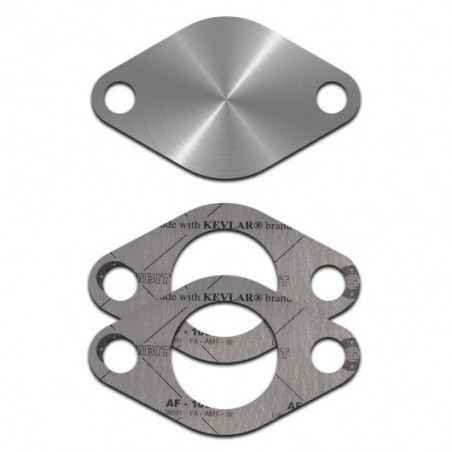
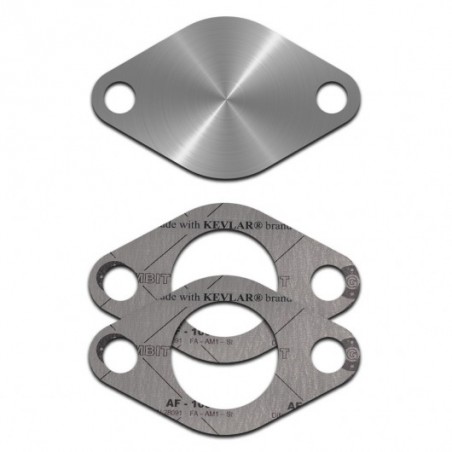
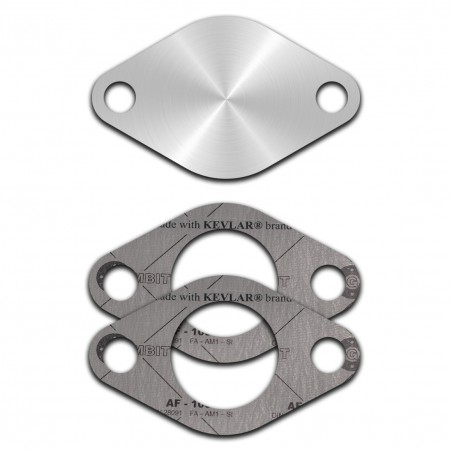
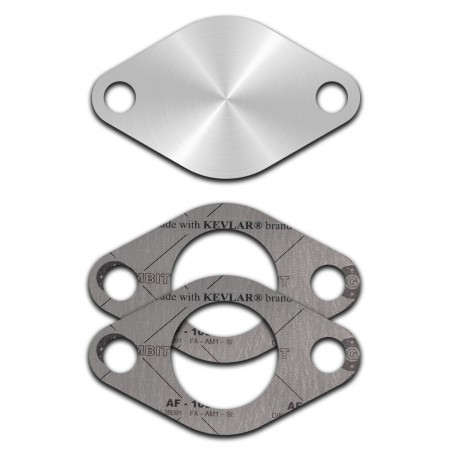
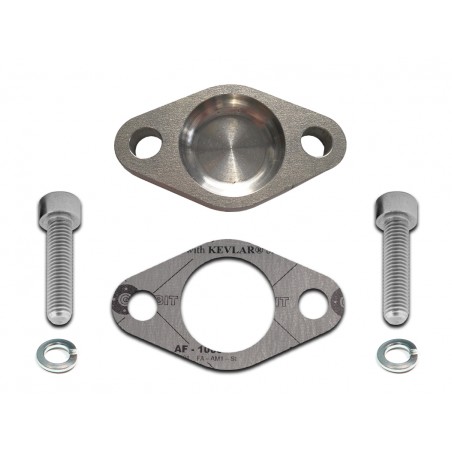
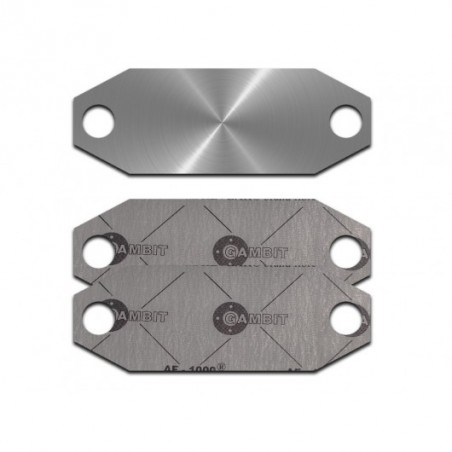
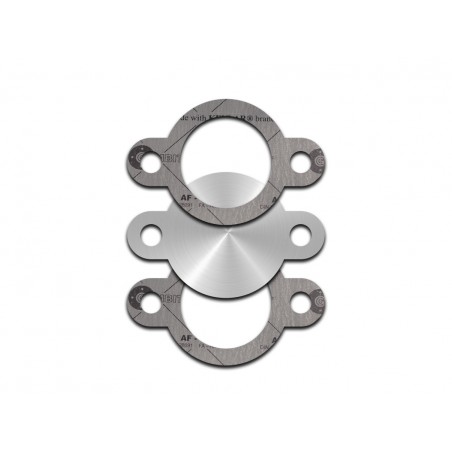
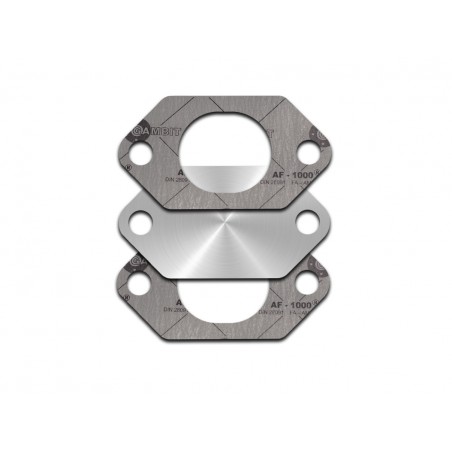
- the presence of a gasket, where the connection requires a complete seal
These valve plugs are available for TDI, TDCi, TDDi, JTD, JTDM and dCi engines. However, the wide range of applications does not exempt you from carefully checking the engine designation.
What characteristics indicate high-quality workmanship?
A good EGR plug must be rigid, evenly cut and dimensionally compatible with the valve flange. In practice, the material, thickness and quality of the edges are what matter, as these determine the seal once tightened.
Components with a thickness of around 1.5 mm are common, whilst thicker versions are also available. Acid-resistant steel withstands high temperatures and exhaust gases better, whilst an aluminium plug is usually suitable for the intake side, where temperatures are lower.
It is also worth assessing the surface finish. Smooth edges facilitate fitting, do not damage the gasket and reduce the risk of micro-leaks. When the set includes a heat-resistant gasket, the seal is more reliable.
FAQ
1. How can I check if the plug fits my engine?
Check the engine code, bolt pattern, duct shape, plug position and flange geometry; compare the part number and check for the presence of a gasket — these factors determine compatibility.
2. Which material should I choose for the blanking plug to ensure it is durable?
Acid-resistant steel withstands high temperatures and exhaust gases better; aluminium is suitable for the intake system. Look for thickness, smooth edges and a good gasket.