
Silicone connectors
There are 83 products.
Popular parts and accessories
The products most frequently chosen by our customers


A wide selection of silicone elbow joints for your car
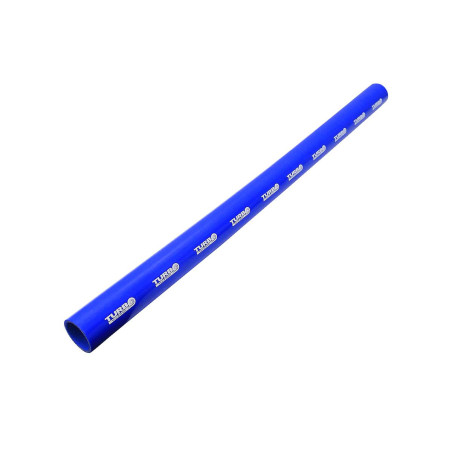
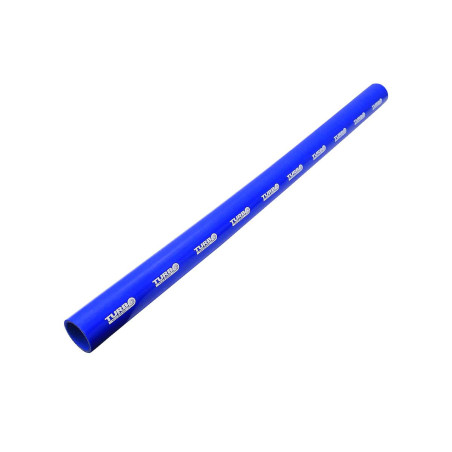
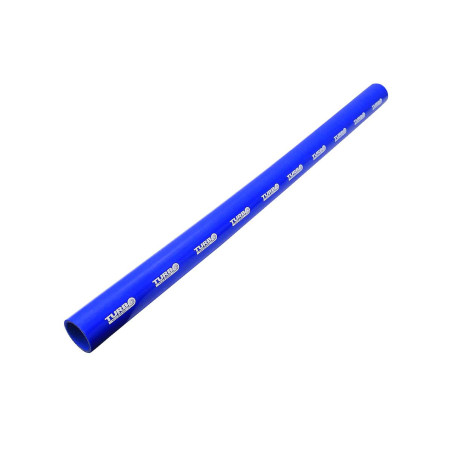
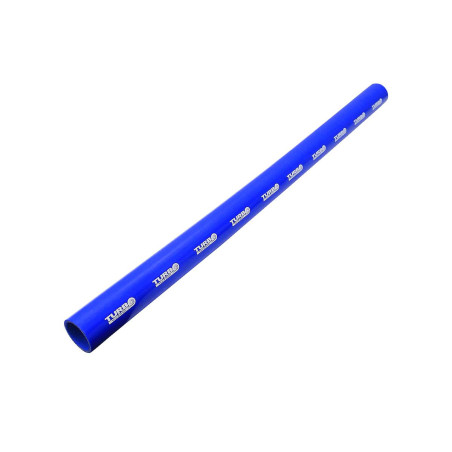
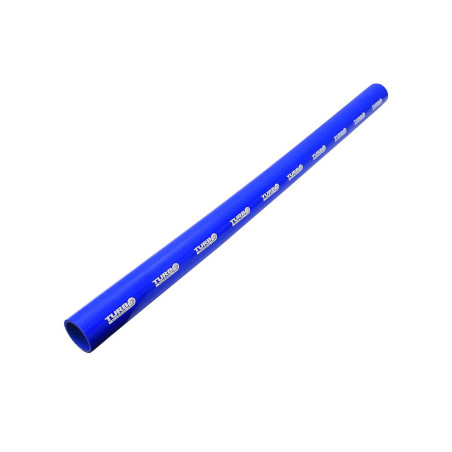
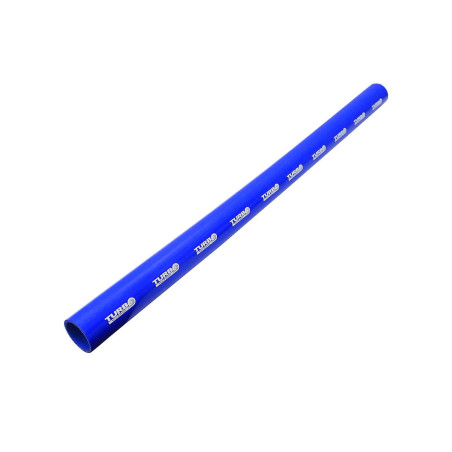
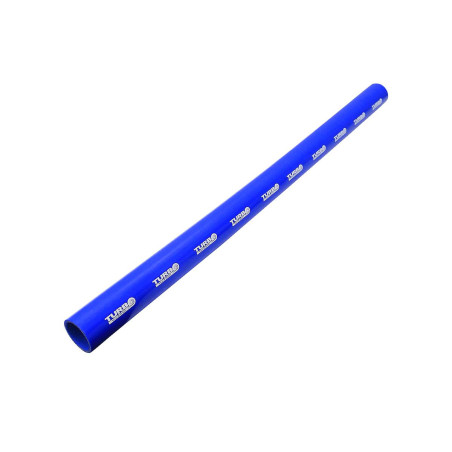
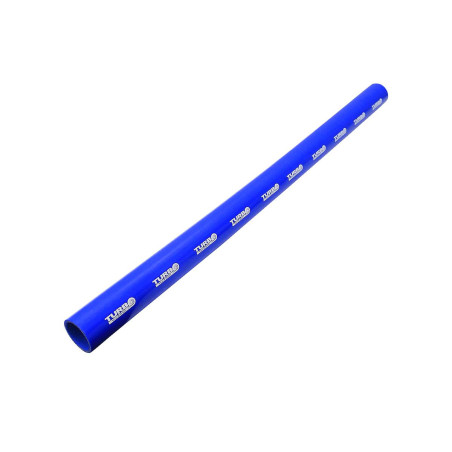
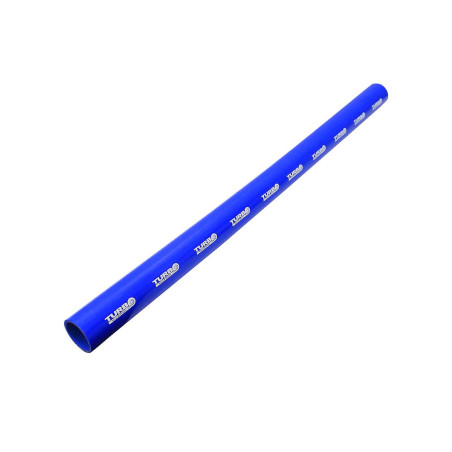
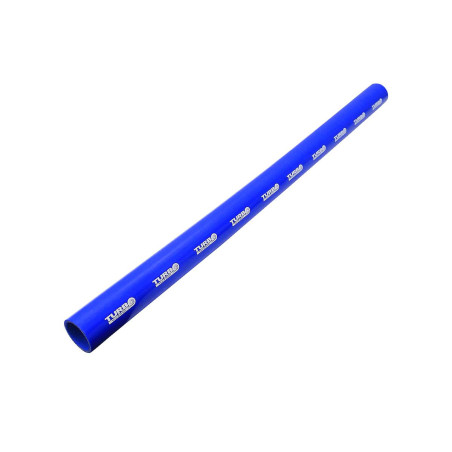
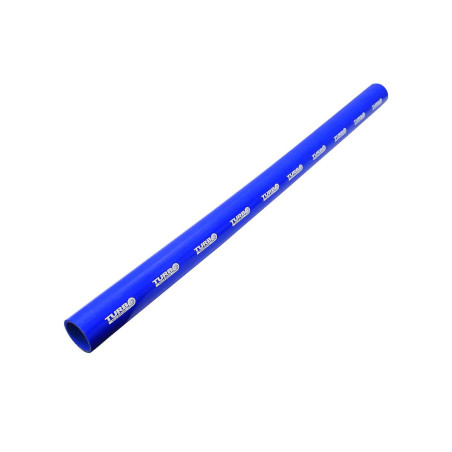
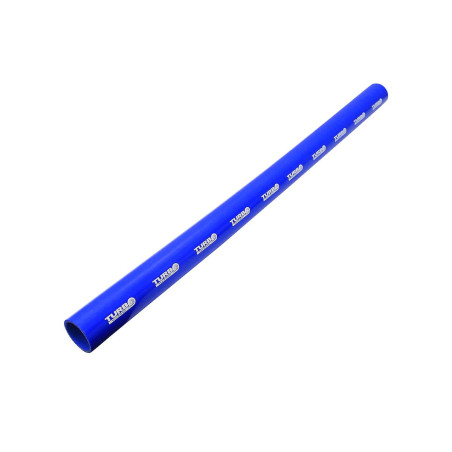
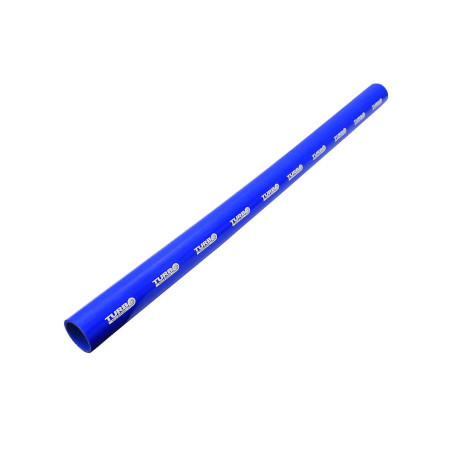
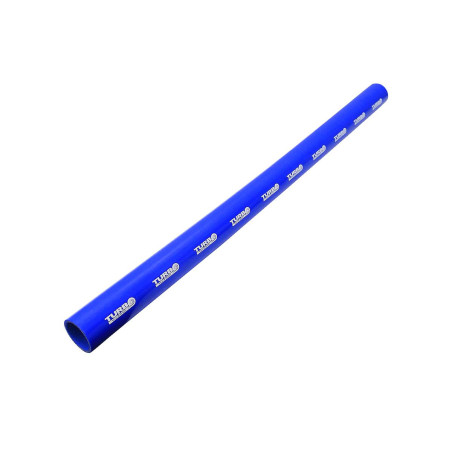
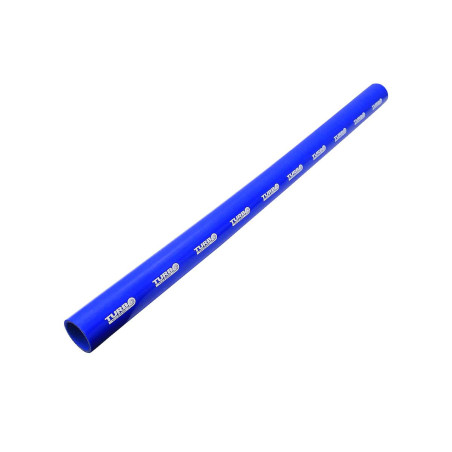
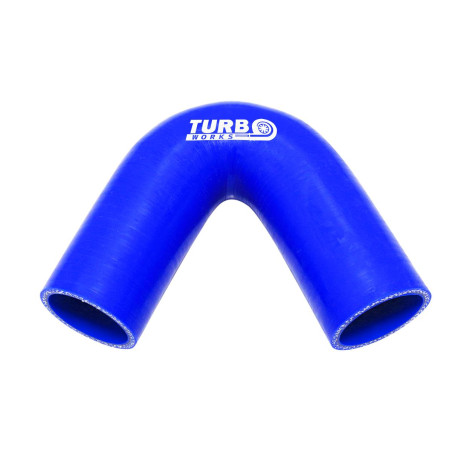
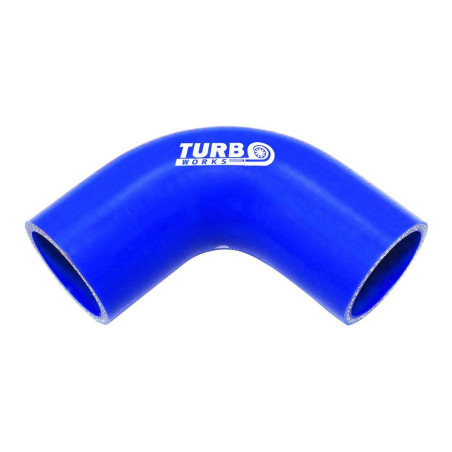
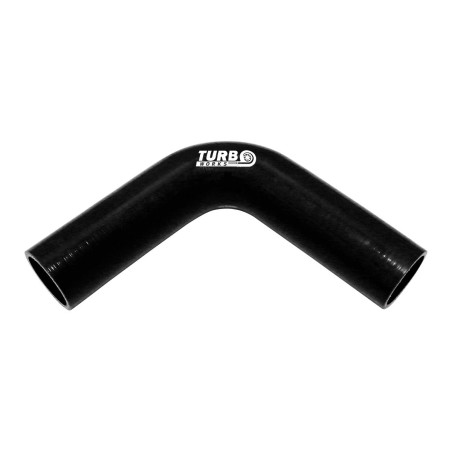
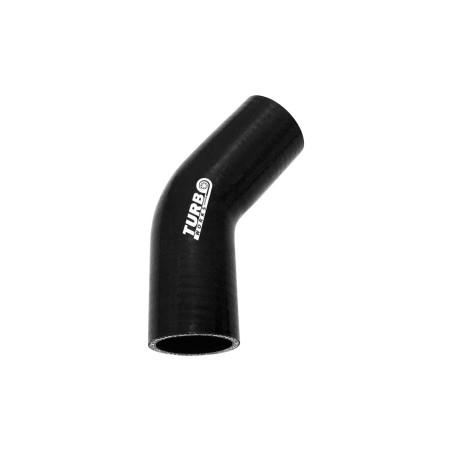
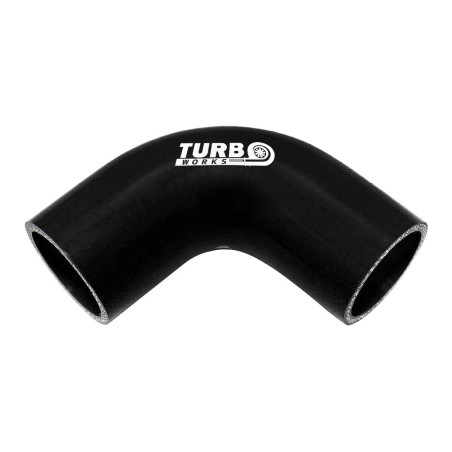
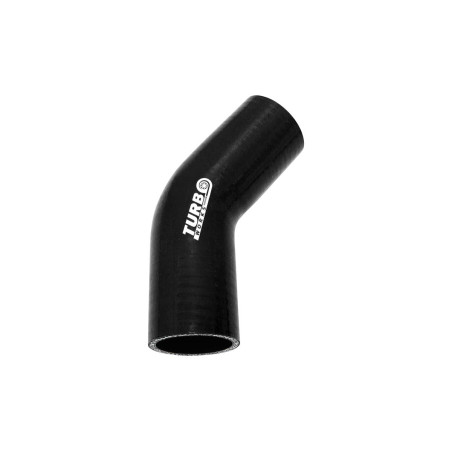
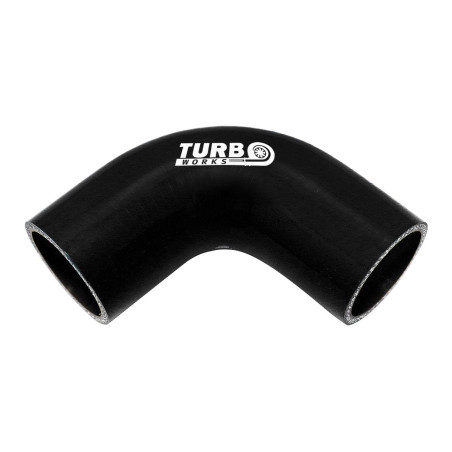
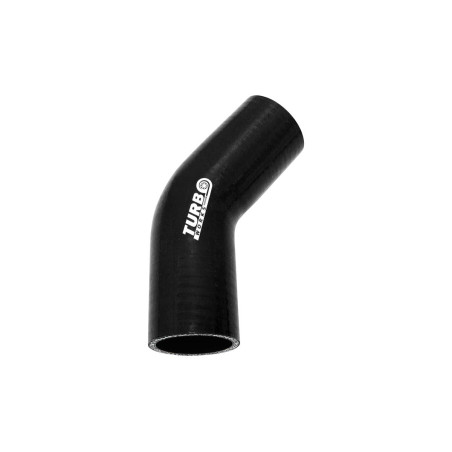
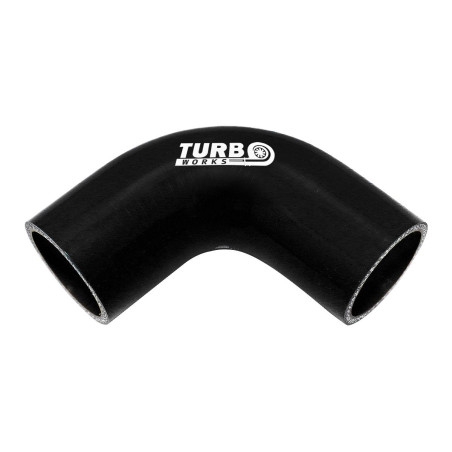
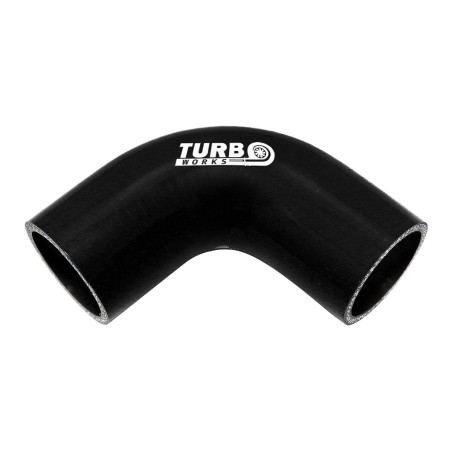
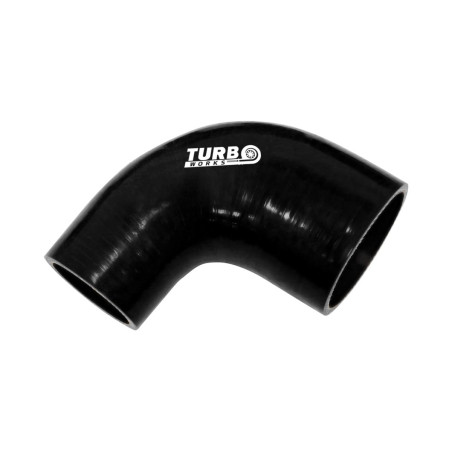
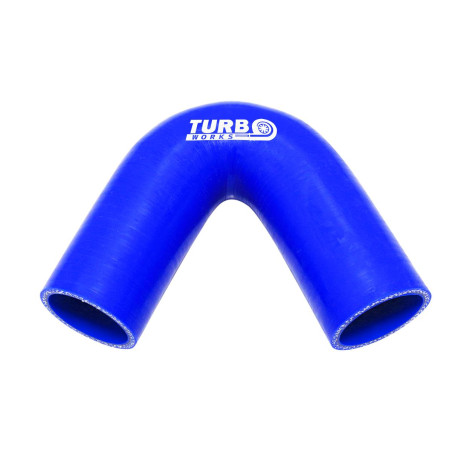
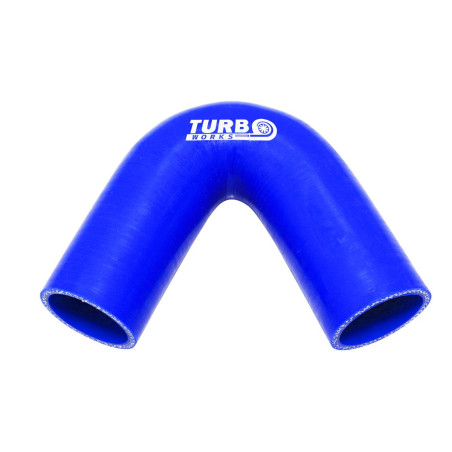
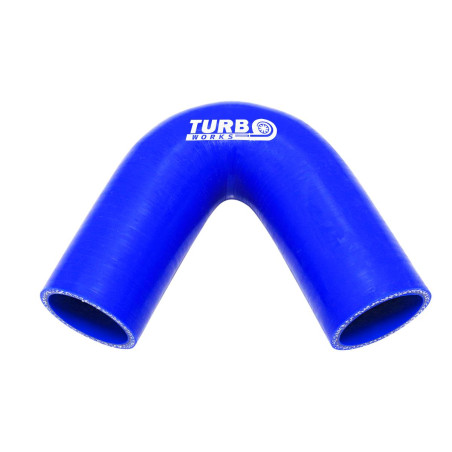
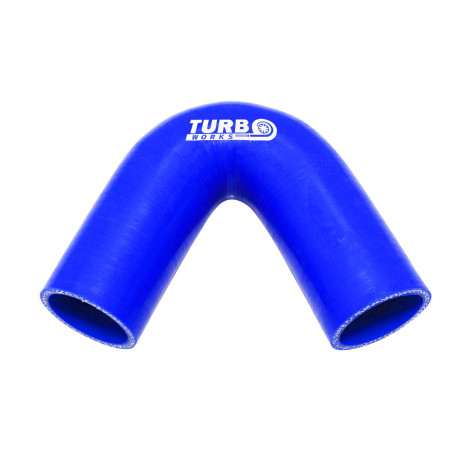
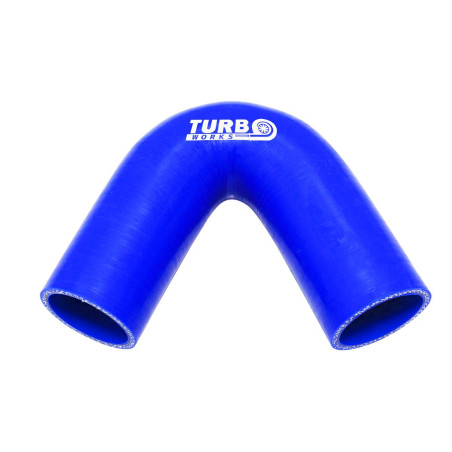
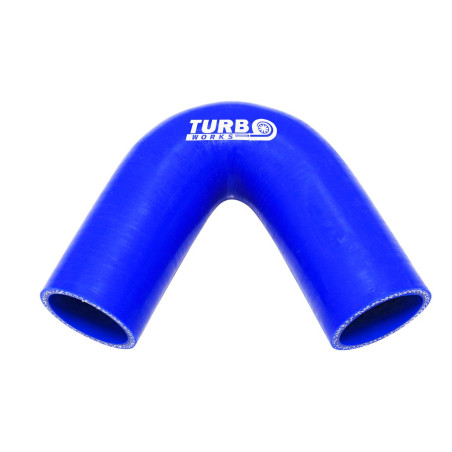
The Turboworks silicone elbow joints available in our shop are ideal for motorsport; they are more durable than rubber ones and will last you much longer. We recommend using them for tuning your car, including when fitting intercoolers. The silicone elbow we offer, available in many variants, is made from the highest quality silicone, resistant to various substances, such as grease or all kinds of oils. On our website, you’ll also find silicone reducer elbows, which make it easier to fit pipework of different diameters. Every silicone reducer elbow offered by Aditech is designed to withstand high temperatures and mechanical damage.
Read moreWhen assembling an intake system, the problem usually does not lie with the pipe itself, but with achieving a tight connection at the correct angle. If you want to maintain pressure, compensate for slight engine movements and fit into a tight space, a silicone connector is the right solution. This category is dominated by TurboWorks silicone elbows, so you first select the geometry and then the diameter.
What are the benefits of a silicone connector in the intake system?
In the intake system, a silicone connector provides a seal, dampens vibrations and ensures the safe passage of airflow through the bend. Silicone retains its elasticity better than ordinary rubber, which is why it withstands pressure pulsations, movement of the powertrain and high temperatures in the engine compartment more effectively.
TurboWorks elbows operate in conditions where thermal resistance and chemical resistance to oil and grease are crucial. Reinforcement with a four-layer braid, a wall thickness of approximately 5 mm, a lower operating limit of around -50 °C and testing up to 7 bar help to ensure service life without material swelling or loss of seal integrity after several heating cycles.
How to choose the correct angle and diameter without making a mistake?
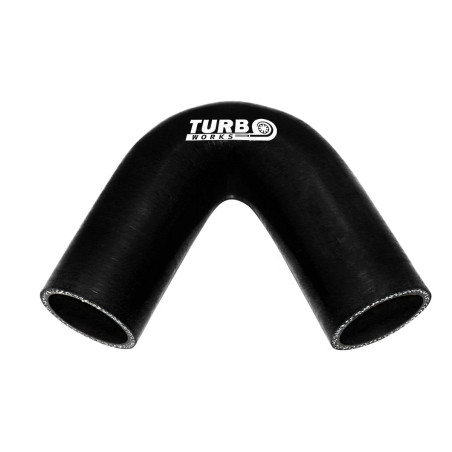
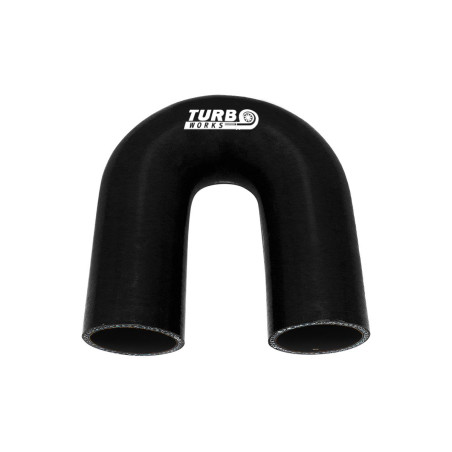
When selecting an elbow, people most commonly confuse the internal diameter with the external diameter of the pipe. Silicone fittings must fit the pipe end or hose with the correct clamp pressure; otherwise, the fitting will be too loose or excessively compressed. This category includes diameters of 25, 32, 35, 38, 40, 45, 51, 57, 60, 63, 70, 80 and 89 mm, as well as angles of 45°, 90°, 135° and 180°.
The simplest classification is as follows:
- a 135° angle for bypassing fittings and a gentler change in flow direction
- a 180° angle for turning the hose around over a short distance
- smaller diameter for confined layouts and shorter intake runs
- larger diameter for systems with higher air flow requirements
Whether you choose the black or blue version, the function remains the same. The colour is usually chosen to match the look of the engine compartment and to make it easier to check for dirt.
Which parameters should you look out for before buying?
The selection process does not end with the angle alone. Other important factors include the bending radius, space for cable ties, the length required to insert the ends, and the actual operating temperature at the turbine or intercooler. In the event of significant vibrations, the material’s flexibility helps maintain a tight seal without the formation of micro-leaks.
Before making your choice, check the following first and foremost:
- the internal diameter, which must match the connection or pipe
- the angle of the elbow to match the pipework layout
- operating conditions, including temperature, oil and vibrations
- availability of the selected size, as some variants may be temporarily out of stock
If your priority is a durable seal on the intake without constant adjustments, it is worth selecting a silicone connector by first considering the geometry and diameter, and only then focusing on its appearance. This approach usually saves time, clamps and the need for re-assembly.
FAQ
What angles and sizes of TurboWorks elbows are available?
The range includes 45°, 90°, 135° and 180° angles. Available diameters: 25, 32, 35, 38, 40, 45, 51, 57, 60, 63, 70, 80 and 89 mm. It is recommended to select the geometry first, then the diameter.
Why does silicone perform better than ordinary rubber in the intake system?
Silicone is more flexible, better at dampening vibrations and pressure pulsations, withstands higher temperatures and has greater chemical resistance to oil and grease, which reduces swelling.
How can you avoid mistakes when fitting a connector to a pipe?
Measure the internal diameter of the pipe, leaving some allowance for inserting the ends and space for clamps. Do not confuse the internal diameter with the external diameter, and check the bending radius and operating conditions.