
Lambda Sensor Emulators
There are 23 products.
Popular parts and accessories
The products most frequently chosen by our customers


The lambda sensor and other components of the exhaust system
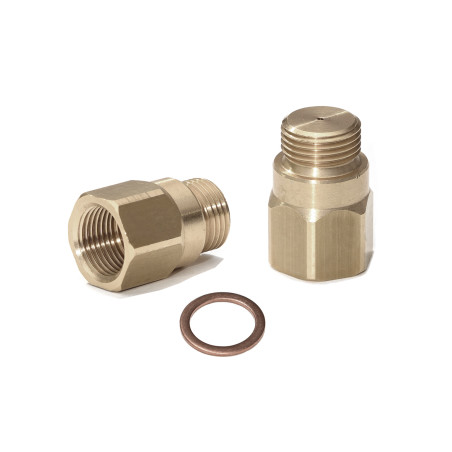
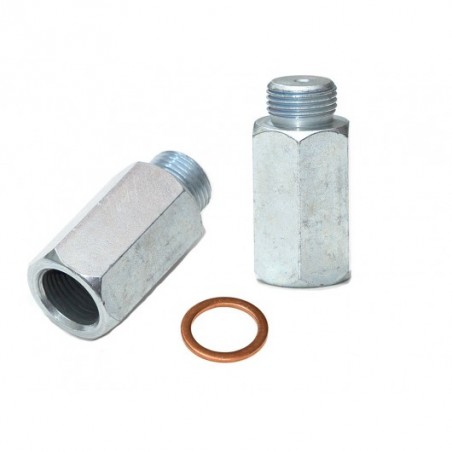
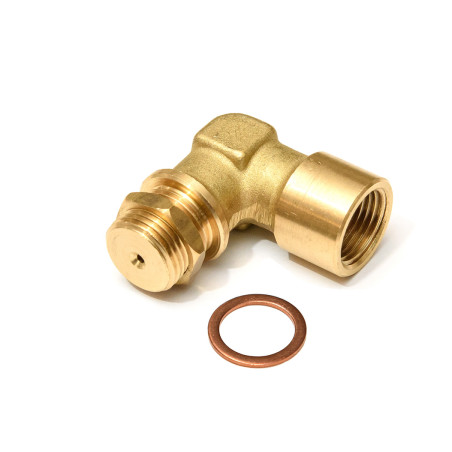
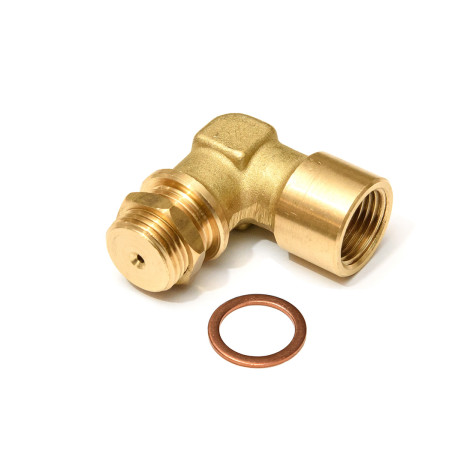
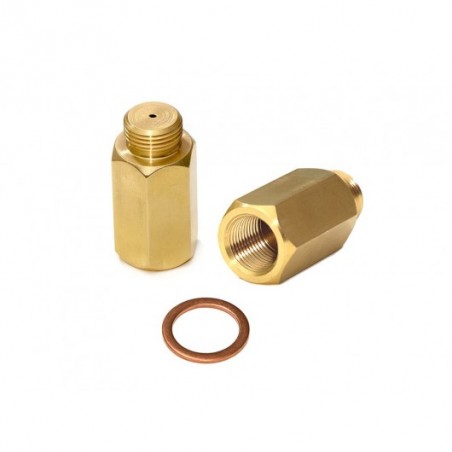
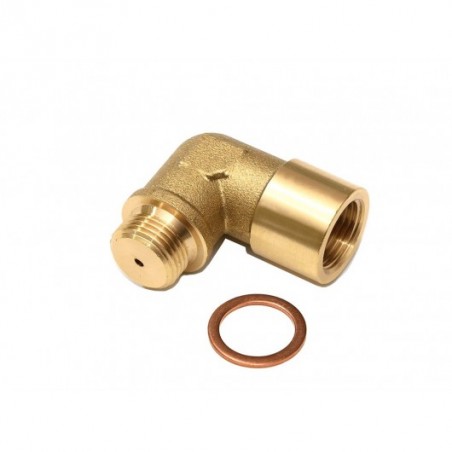
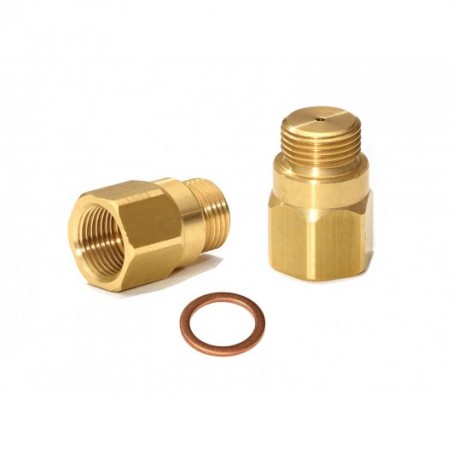
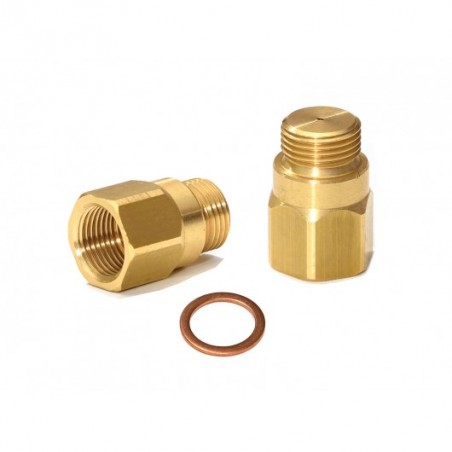
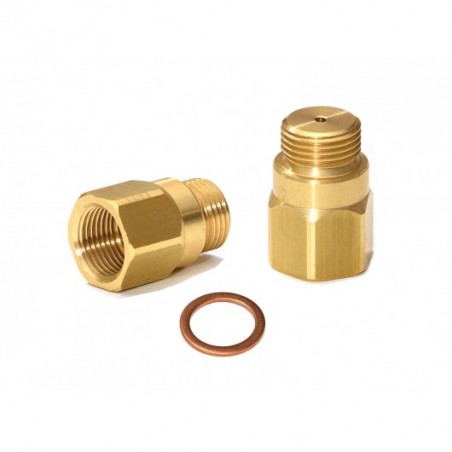
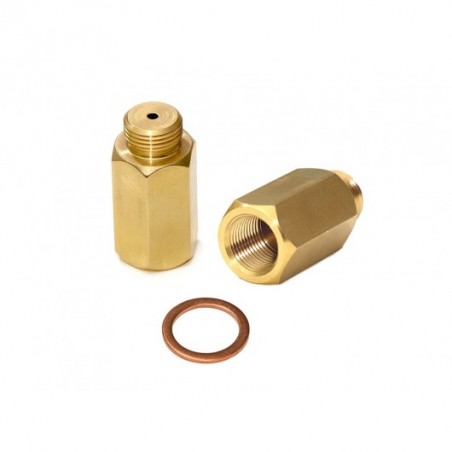
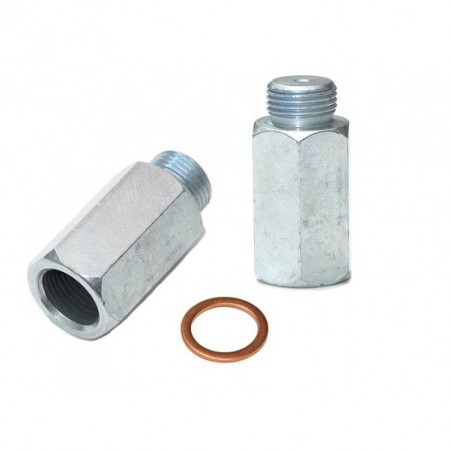
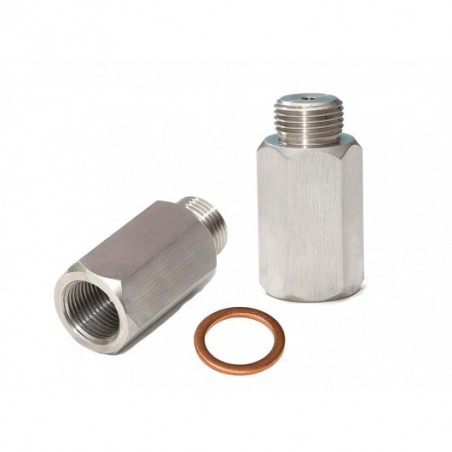
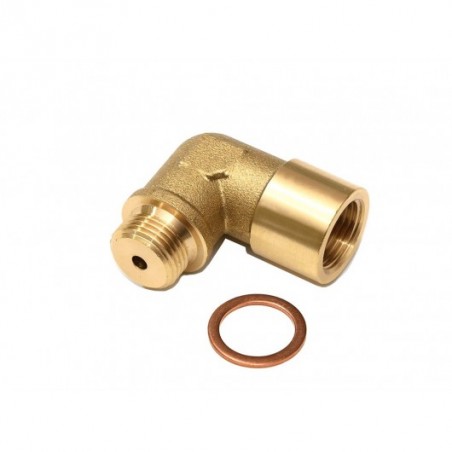
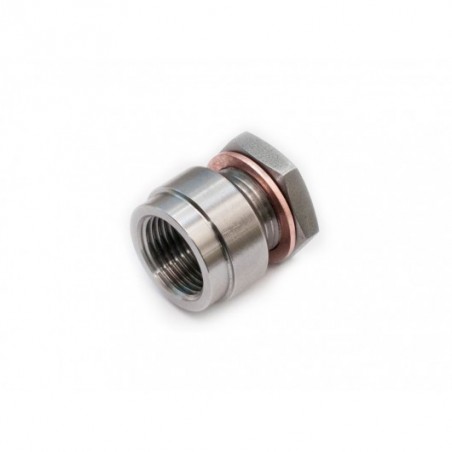
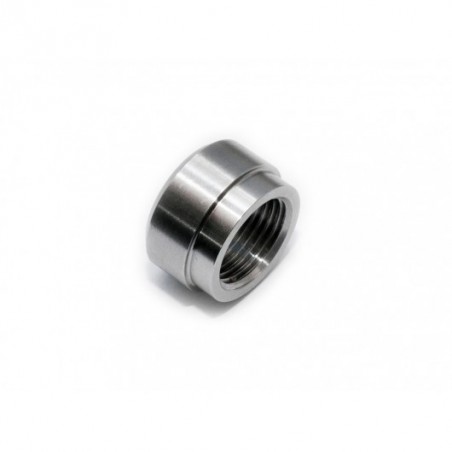
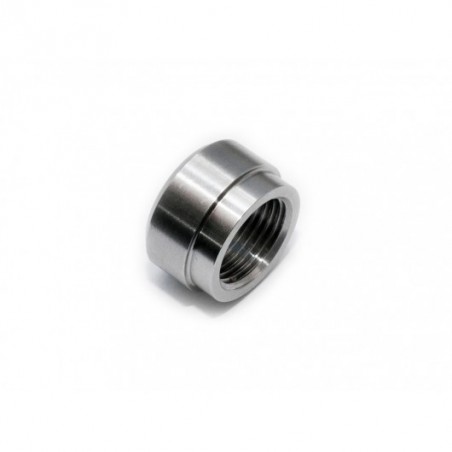
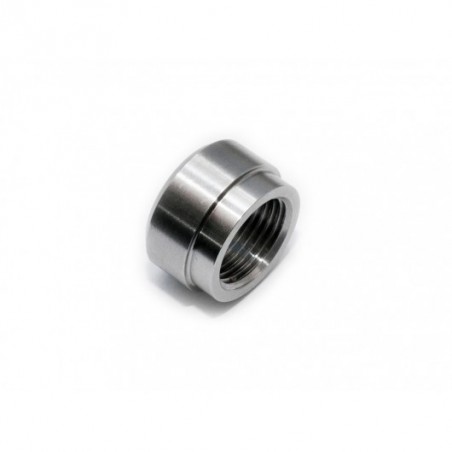
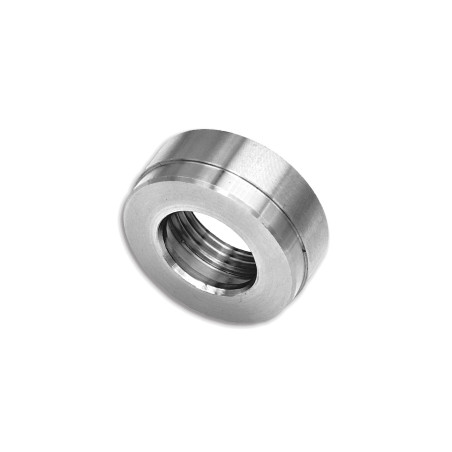
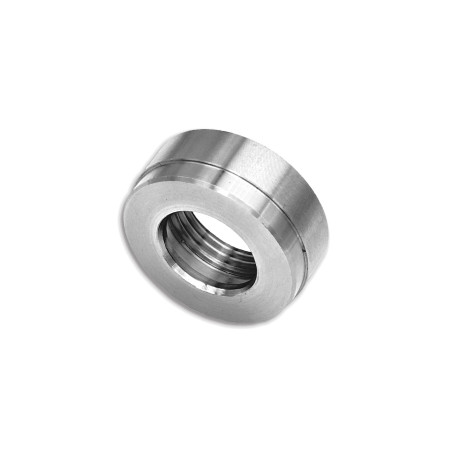
The lambda sensor is one of the key components for the effective monitoring of the combustion efficiency of the air-fuel mixture in the cylinders. In some cases, special insulating connectors are required for it to function correctly. In this category, we offer a wide selection of lambda emitters with varying technical specifications. Our range includes, amongst others, straight and galvanised 2 mm diameter variants designed for the second sensor, as well as 4 mm diameter angled brass variants. All sensor emulators are characterised by high quality and reliable operation. They have been manufactured in a modern CNC machining centre, ensuring precise workmanship.
Read moreHow does a lambda sensor emulator work?
Monitoring the correct operation of an internal combustion engine’s catalytic converter is extremely important. The lambda sensor measures the oxygen content in the exhaust gases emitted by the vehicle. The simulator becomes an integral part of the system when the catalytic converter is malfunctioning. In such cases, this component acts as a connector between the intake manifold and the second (diagnostic) lambda sensor. Screwed into the sensor, it isolates it from the exhaust gases, which in turn affects its analysis of the air-fuel mixture. The lambda sensor emulator causes the sensor to detect a lower volume of exhaust gases. It is therefore a small component that enables the engine to run smoothly in emergency mode.
Does the engine fault light come on following modifications to the exhaust system or with an older LPG system? The second lambda sensor emulator helps to stabilise the reading, as it moves the oxygen sensor away from the exhaust gas stream and averages out the measurement. In this category, it is not the appearance of the part that matters most, but the geometry of the body, the material and the diameter of the D2, D3 or D4 orifice.
How does a second lambda sensor emulator work?
A lambda sensor emulator is not the sensor itself. The original lambda sensor, or oxygen sensor, measures the oxygen content in the exhaust gases and transmits the data to the ECU, which helps to control the operation of the catalytic converter and exhaust emission levels. The emulator, on the other hand, creates a gap between the socket and the sensor. This gap alters the measurement conditions for the second sensor, which is sometimes necessary in the event of catalytic converter issues, during OBD diagnostics, or in Euro 3 and Euro 4 vehicles.
The second sensor primarily monitors the efficiency of the catalytic converter, which is why its emulator operates differently from that of the first lambda sensor. The first sensor has a greater influence on the air-fuel mixture, so these solutions cannot be treated as interchangeable.
Selection of variant, material and D diameter
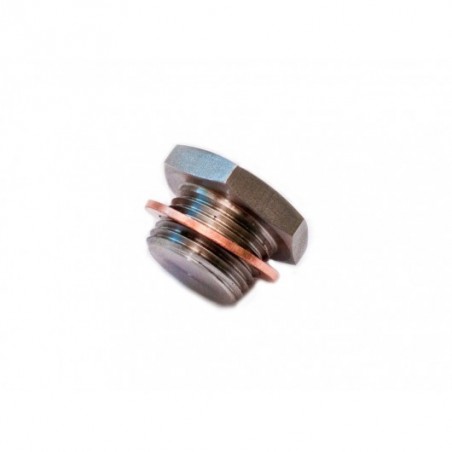
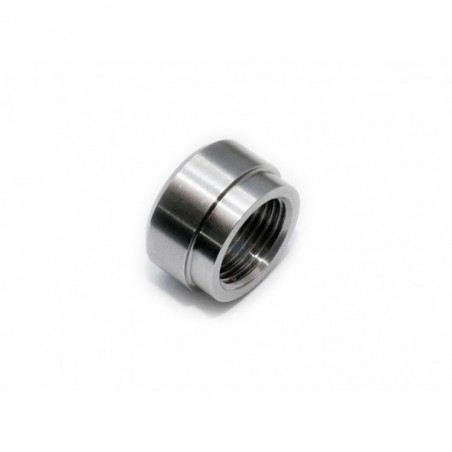
The correct lambda sensor emulator is selected based on the installation location and operating conditions. In a confined space near the exhaust system, the angled version works better, whilst a straight variant is usually sufficient where access is easier. A lambda sensor cap or plug serves a different purpose to a spacer and requires a separate assessment of the system.
When making your selection, compare the following above all:
- the body design, i.e. straight, angled or plug variant,
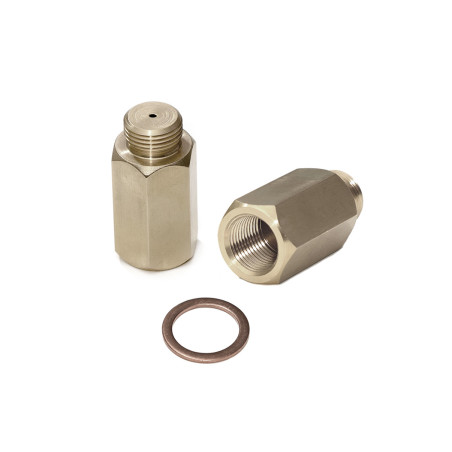
- the material, i.e. galvanised steel, brass or stainless steel,
- the diameter of the exhaust gas inlet, designated as D2, D3 or D4,
- service access around the sensor and the ability to screw it in securely.
The differences between the materials have practical implications. Galvanised steel is suitable for standard use, brass makes it easier to unscrew the probe after a long period of time, whilst stainless steel withstands moisture and long-term use in harsh conditions better. With such components, the precision of the thread and the axial alignment of the body are also important, as a probe fitted at an angle is more likely to seize up in the socket.
When does it make sense to fit an emulator?
Fitting an emulator for the second sensor makes sense when diagnostics indicate a problem with assessing the catalytic converter’s efficiency, rather than a fault with the sensor itself. The problem is usually signalled by the engine fault light, OBD codes relating to catalytic converter efficiency, or the engine entering limp mode.
A car emulator for the second sensor does not repair a faulty oxygen sensor, an exhaust leak or ECU faults, so you must first rule out an actual fault. The installation itself involves screwing the component between the socket and the sensor whilst the exhaust system is cold, checking the thread and then carrying out a diagnostic readout.
It is not programmed. In practice, the effect is determined by the internal diameter and the distance between the sensor and the exhaust gases, rather than by an electronically adjustable emulator. If you are unsure which variant to choose, compare the installation space, material and ‘D’ marking before purchasing.
FAQ
Why is an emulator used with the second sensor rather than in place of the first?
The second sensor assesses the effectiveness of the catalytic converter; the simulator offsets and averages its measurement, stabilising the reading following changes in the exhaust. The first sensor, on the other hand, affects the air-fuel mixture, so their roles are different.
How do I choose the variant, material and diameter (D) of the simulator?
Choose a straight or angled variant depending on the installation space; compare materials (galvanised steel, brass, stainless steel) as well as the internal diameter, denoted as D2, D3 or D4, and service access.
When is it worth fitting an emulator, and what problems will it not solve?
Installation is advisable for OBD faults relating to the catalytic converter, provided the sensor is functioning. It will not repair a faulty sensor, a leaky exhaust or ECU faults; it must be fitted to a cold engine.