
Downpipe flanges
There are 18 products.
Popular parts and accessories
The products most frequently chosen by our customers


Durable downpipe flange for various car makes
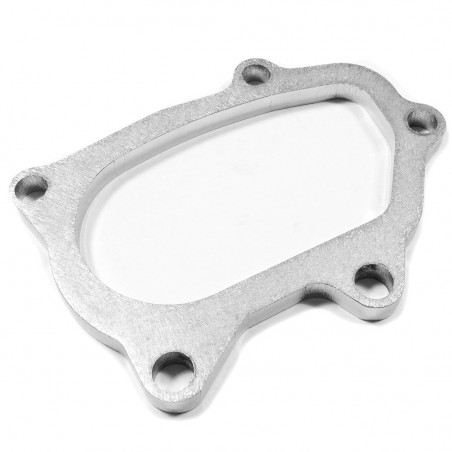
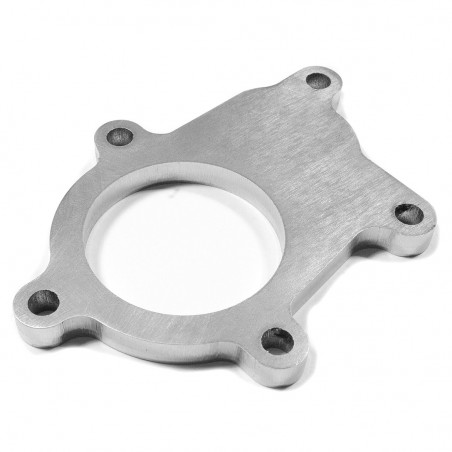
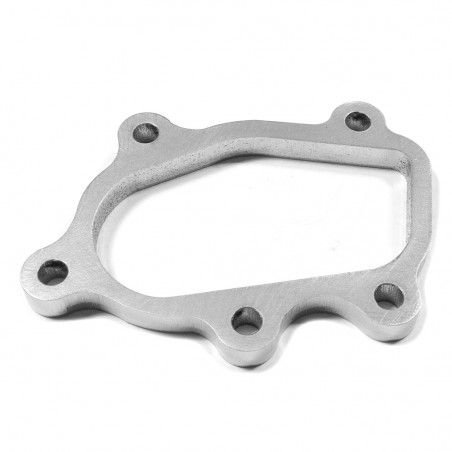
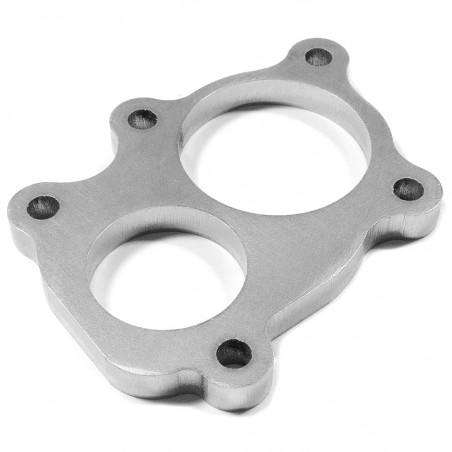
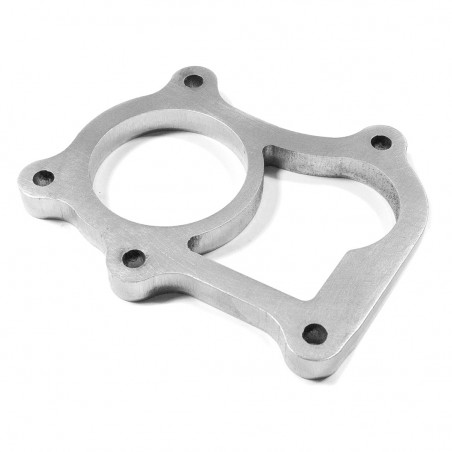
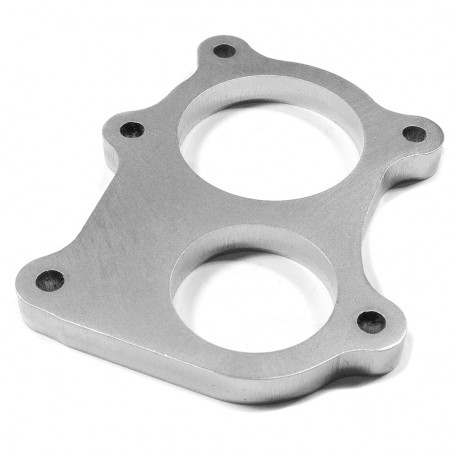
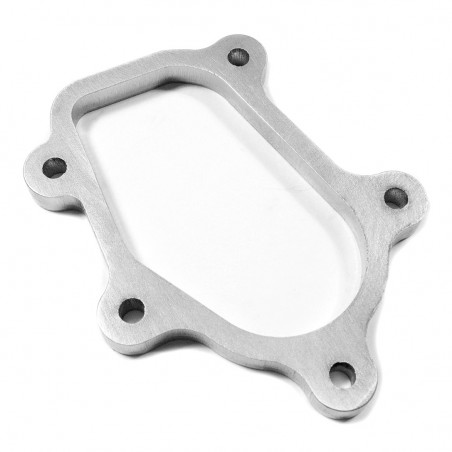
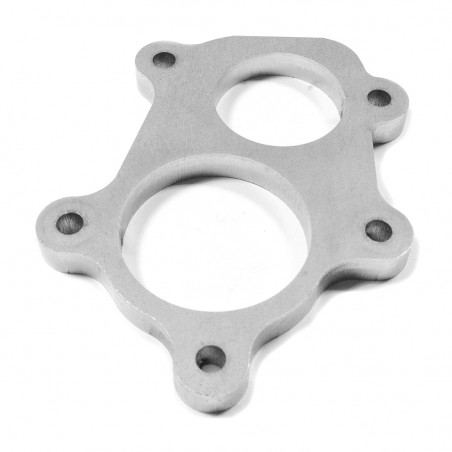
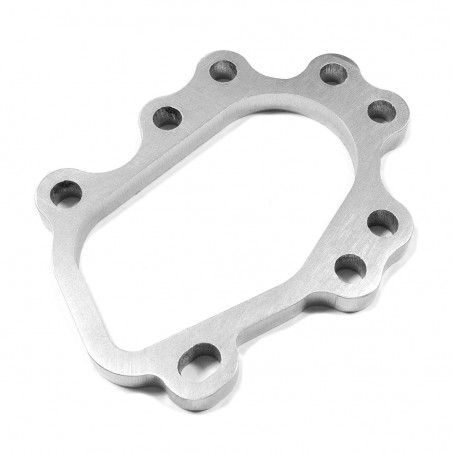
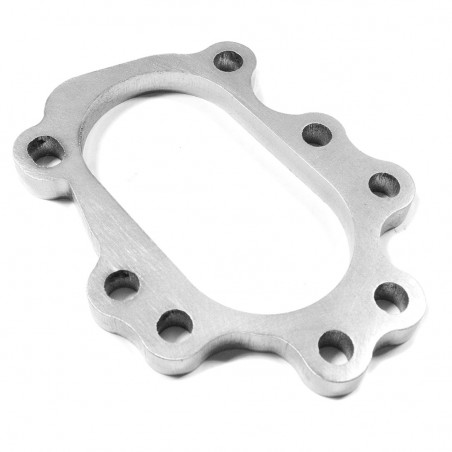
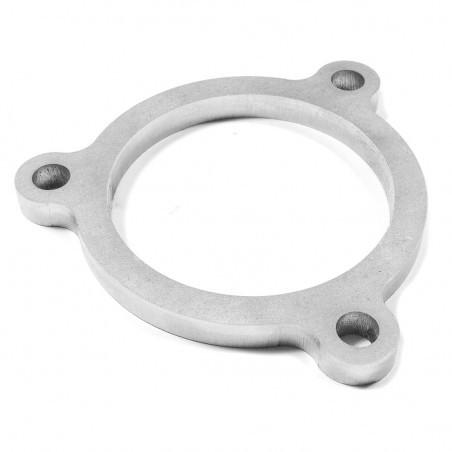
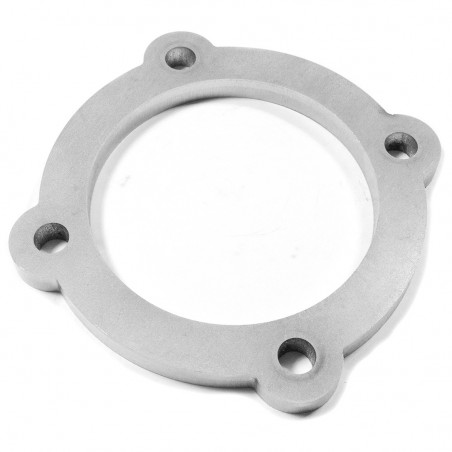
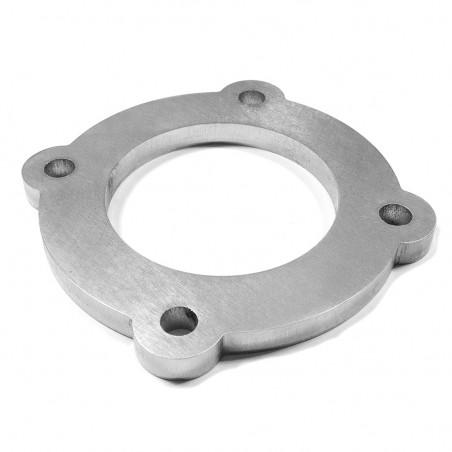
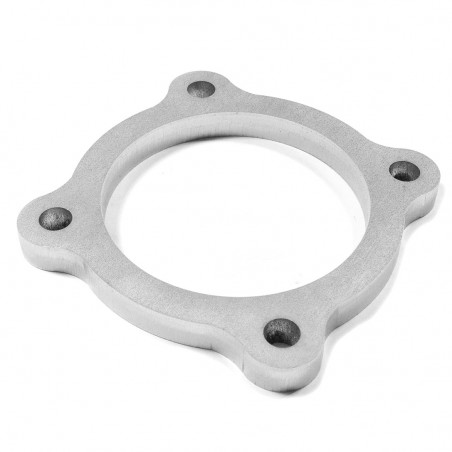
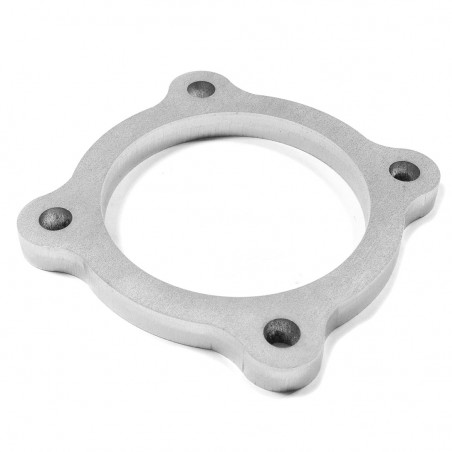
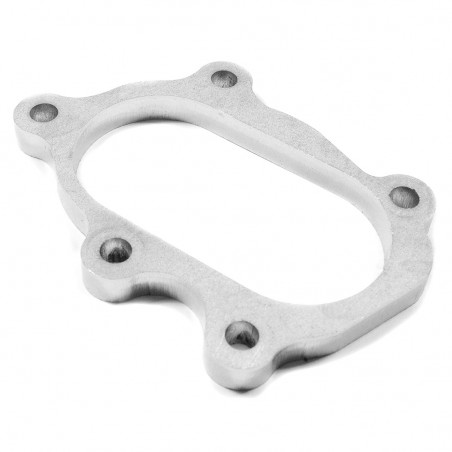
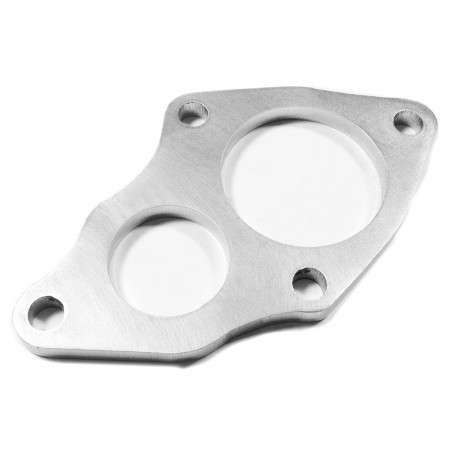
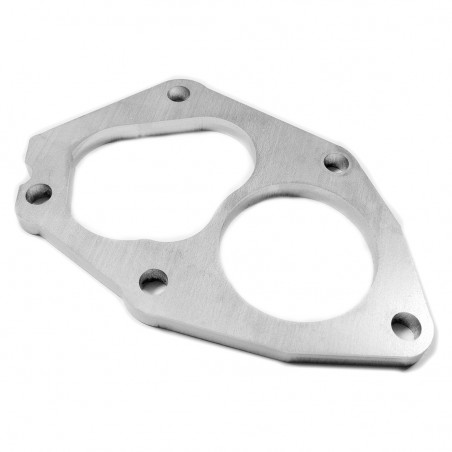
The downpipe flange available in our shop is a fitting designed to connect the downpipe to, for example, a turbocharger. On the Aditech website, you’ll find, amongst other things, the K03 flange, made from acid-resistant steel and finished using vibratory grinding. Prices for the flanges start at 56 zlotys, with the most expensive item in the range costing 136 zlotys. They are available in a range of variants (such as the K03 turbo flange) and for various car models and makes, including Subaru, Seat and Mitsubishi. The products we offer are high-quality items that will serve you well for a long time thanks to their robustness and durable materials.
When fitting or repairing the exhaust system near the turbocharger, problems usually arise at the connection point. An incorrectly fitted turbo flange may not match the bolt pattern, position the pipe at the wrong angle, or cause a leak once the system has heated up. In this category, your choice must be based on the type of turbocharger, the mounting geometry and the outlet diameter, as the car make alone is not sufficient.
Read moreWhat does a turbo flange do, and why does it have to fit to the millimetre?
The turbo flange connects the hot-end outlet of the turbocharger to the downpipe, i.e. the first section of the exhaust system downstream of the turbine. As this exhaust flange operates at high temperatures, transmits vibrations and is subject to thermal expansion, the precision of the cut and the flatness of the mating surfaces are crucial.
It is not just the outline of the flange plate that matters. The number of bolts, the layout of the holes, the shape of the passage and the orientation of the flange determine whether the pipe can be routed in the correct direction and whether the joint will remain leak-tight under load.
How do you choose the right downpipe flange for your turbocharger?
Selecting a downpipe flange starts with identifying the turbocharger, not by guessing based on engine capacity. This range includes variants for the TD04, K03, K04, GT25, GT28, GT30 and GT35, as well as the T3, T4, T3/T4 and GT/T03 systems, available in 4- and 5-bolt configurations and in asymmetrical versions.
Before purchasing, compare your old part or technical drawing with the specified parameters. Models used in the 1.8T, Audi S3 8L, Audi TT, Seat Leon Cupra R or in SR20DET configurations are particularly important, as the engine name does not always correspond to the same turbo outlet. In a production car, compatibility with the factory design is key, and after replacing the turbocharger, you must also ensure there is sufficient space for welding and for the pipe routing.
The most common things to check are:
- the turbocharger’s designation and generation
- the number of bolts and the spacing of the mounting holes
- the shape of the flange, including in an asymmetrical layout
- the passage diameter, typically 45, 54, 70 or 89 mm, or compatible with a 3-inch pipe
- the direction of the downpipe outlet relative to the engine compartment
What specifications must the turbo flange meet?
The turbo flange should be made of AISI 304 acid-resistant steel, also designated as 1.4301 or 0H18N9, and have a thickness suited to the application. In practice, universal stainless steel flanges are often 8 mm thick, as this thickness minimises deformation during welding and withstands heating and cooling cycles better.
The machining is equally important. A flat contact surface, straight hole edges and a centre diameter that matches the exhaust system are crucial for ensuring a tight seal and ease of installation. Even a slight misalignment of the holes can cause stress on the bolts, cracked welds or the need to rework the entire downpipe.
FAQ
How do I check if the flange fits the turbocharger?
Identify the turbocharger (model/generation), compare it with the old part or a drawing, and check the number and spacing of the bolts, the shape of the flange, the bore diameter and the direction of the downpipe outlet.
What material and thickness should a sturdy flange have?
The flange should be made of AISI 304 (1.4301) stainless steel and be approximately 8 mm thick — this minimises deformation during welding; a flat surface and precise holes are also important.