
Anti-vibration mounts
There are 6 products.
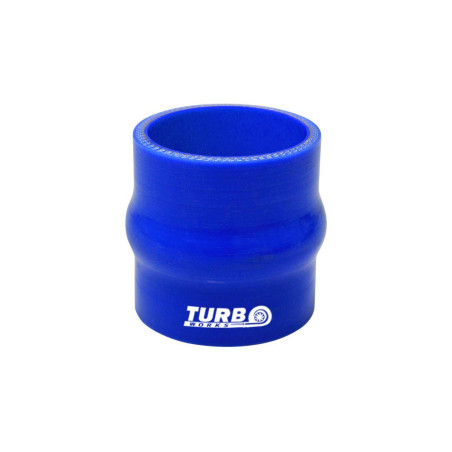
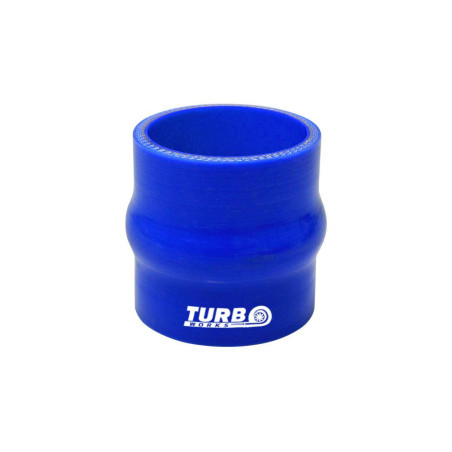
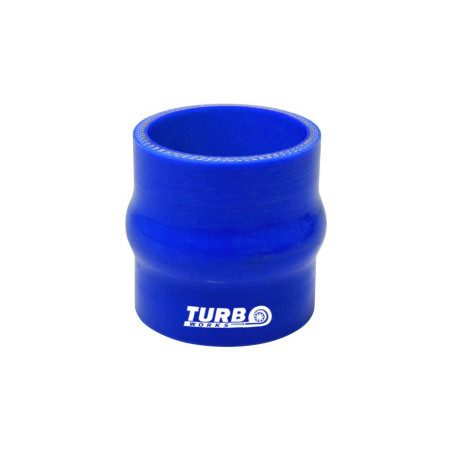
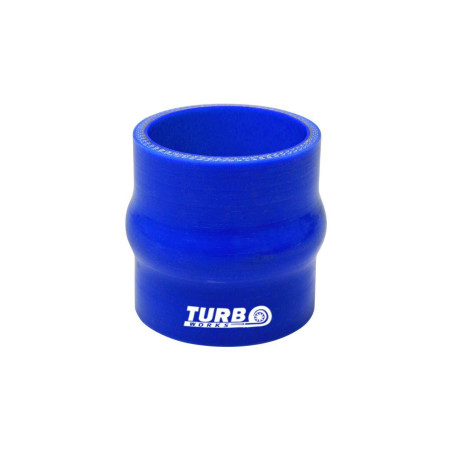
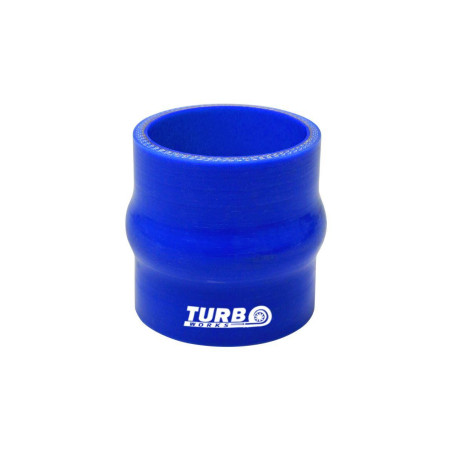
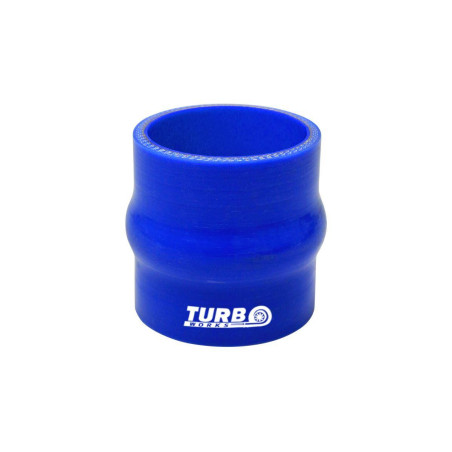
Popular parts and accessories
The products most frequently chosen by our customers


Silicone anti-vibration mounts are used to reduce vibrations and noise generated by various mechanical devices, such as motors and pumps. Thanks to their flexibility and energy-absorbing properties, these mounts effectively dampen vibrations, which improves working comfort and extends the service life of individual machine components. Furthermore, anti-vibration mounts are resistant to high temperatures and chemicals, making them an ideal solution for heavy industry and the automotive sector.
Silicone cooling system connector
In the cooling systems of vehicles or industrial machinery, it is vital to maintain the correct operating temperature. Silicone connectors in the cooling system allow for the effective flow of coolant, whilst ensuring flexibility and resistance to high temperatures. Thanks to their properties, these connectors are able to withstand extreme operating conditions, which translates into long-term and trouble-free operation of the entire system. Furthermore, silicone connectors are resistant to corrosion and chemical agents, making them an ideal solution for heavy industry and the automotive sector.
Silicone intake system connector
The intake system is crucial to the proper functioning of an internal combustion engine. Its role is to supply the correct amount of air to the cylinders, which affects the vehicle’s efficiency and performance. Silicone connectors used in the intake system are designed to ensure the seals are airtight and to provide flexibility in the connections between individual components. Thanks to their properties, such as resistance to high temperatures and vibration damping, these connectors guarantee long-lasting and trouble-free operation of the intake system.
Advantages of using silicone connectors
Among the advantages of using silicone connectors is their high flexibility, which allows them to adapt easily to various shapes and sizes. Furthermore, these connectors are resistant to high temperatures, which means they can be used in extreme operating conditions. In addition, silicone connectors are vibration-damping, which improves working comfort and extends the service life of individual machine parts.
Applications of silicone couplings
Silicone connectors are widely used across various industries and in the automotive sector. They are used, amongst other things, in cooling systems, intake systems and as anti-vibration connectors. Thanks to their properties, such as flexibility, resistance to high temperatures and anti-vibration characteristics, these connectors are indispensable in many situations. In summary, silicone couplings are a reliable solution for a variety of applications. Thanks to their properties, such as flexibility, resistance to high temperatures and vibration damping, they are the ideal choice for heavy industry and the automotive sector. However, it is worth bearing in mind their drawbacks, such as a higher price and difficulties associated with installation and maintenance.
When vibrations from an engine, pump or pipework are transmitted to the rest of the system, noise, loosening of connections and accelerated wear of components quickly occur. This is precisely where a silicone anti-vibration coupler – often also referred to as a rubber anti-vibration coupler – comes in. Such a component should simultaneously dampen vibrations, maintain a tight seal and operate without losing its elasticity at high temperatures.
What is the purpose of a rubber anti-vibration coupling in the automotive industry?
In the automotive industry, a rubber anti-vibration coupling limits the transmission of vibrations between system components and reduces NVH – that is, noise, vibrations and the perceived discomfort caused by the system’s operation. At the same time, it allows the joint to move freely, ensuring that the cable or pipe does not operate rigidly. This is important where, during operation, the load, temperature and position of the engine relative to the accessories change.
Anti-vibration couplings are most commonly used in several areas:
- in the cooling system, where they must ensure fluid flow, withstand high temperatures and maintain a tight seal,
- in the intake system, where leak-tightness and a stable air flow are essential,
- in mechanical equipment, where vibration and noise reduction are required.
How do you choose the right anti-vibration coupling?
The selection process begins with the diameter, length and type of connection, as even a good material cannot compensate for incorrect dimensions. You need to check the diameter on both sides; it is not only straight sections that matter, but also reducers. In systems subjected to pressure and temperature, the wall construction is also important.
Before purchasing, compare the following in particular:
- the internal diameter and working length,
- wall thickness in the range of 5–6 mm,
- quadruple braided reinforcement,
- operating range from -50 °C to +260 °C,
- resistance to oils, greases and chemicals,
- strength confirmed by tests at pressures up to 7 bar.
The most common mistake is selecting a fitting based solely on its diameter. If the fitting is too short, it operates under tension; if it is too long, it may kink and impair flow.
NVH performance and durability in everyday operation
Anti-vibration couplings do not have a single universal NVH standard for all applications. What matters is the actual reduction in noise, vibration and discomfort, whilst maintaining a tight seal and the material’s durability. Silicone withstands thermal cycling well, does not corrode and does not harden as quickly as ordinary rubber. In practice, this translates to quieter system operation and a lower risk of cracking whilst the engine is running.
However, there are also limitations to consider. A silicone connector can be more expensive than a standard rubber hose, and fitting requires a precise fit and the clamps to be tightened correctly. If you are looking for a durable connection in the intake, cooling system or vibration damping area, these parameters should be the deciding factors in your choice.
FAQ
What material properties should a silicone hose have?
It should dampen vibrations, remain leak-proof and retain its flexibility at high temperatures. Resistance to oils and chemicals is important, as is an operating temperature range from -50°C to +260°C, wall thickness and reinforcement.
What are the consequences of an incorrect connector length?
A connector that is too short operates under tension and may cause connections to become loose; one that is too long may kink, impair flow and increase system wear.
Is a silicone hose better than a standard rubber hose?
Silicone withstands thermal cycling better, does not corrode or harden as quickly, and improves NVH and durability, but it can be more expensive and requires precise fitting.