
Sensor map flanges
There are 15 products.
Popular parts and accessories
The products most frequently chosen by our customers


Our range includes
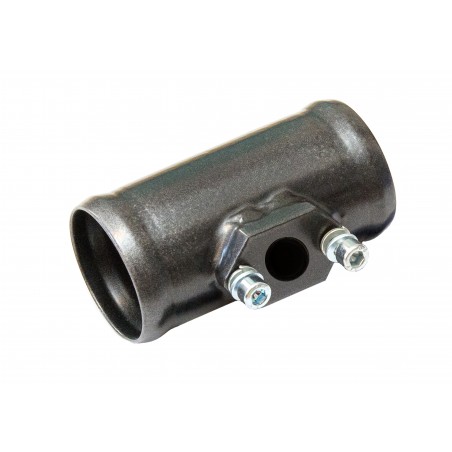
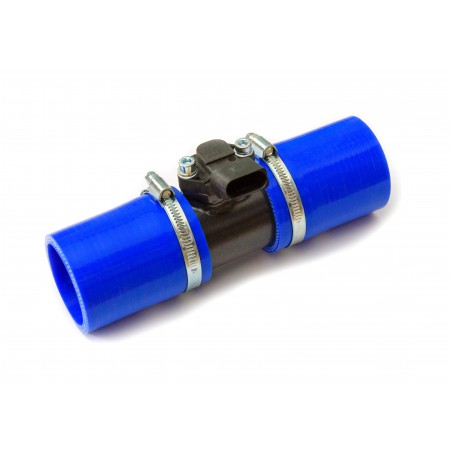
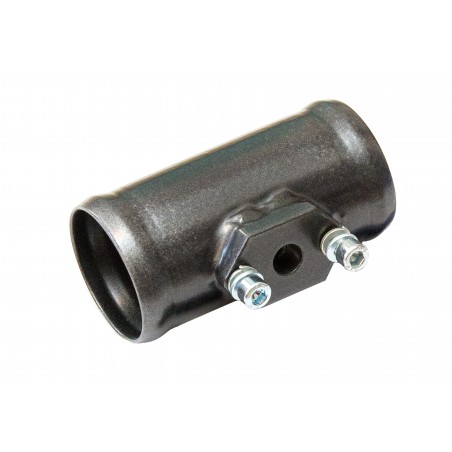
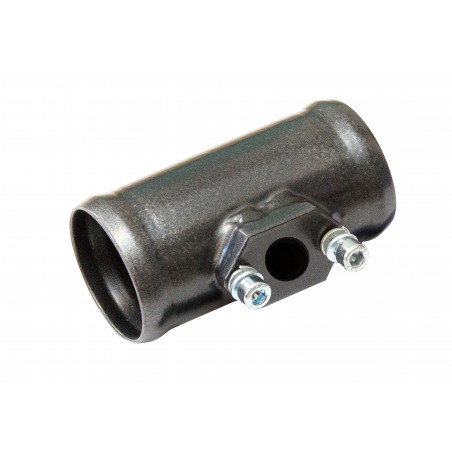
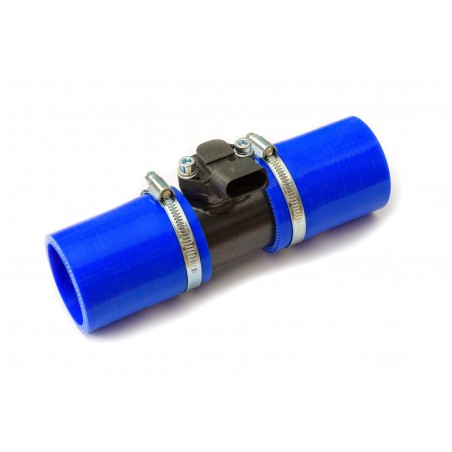
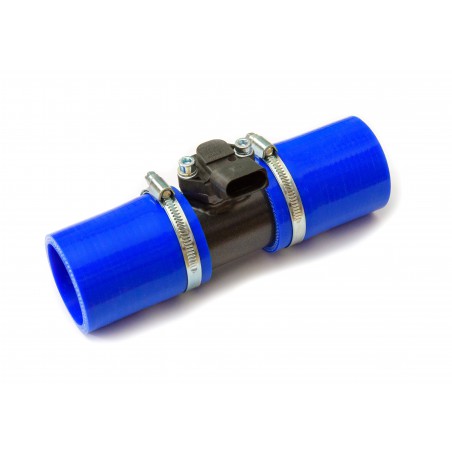
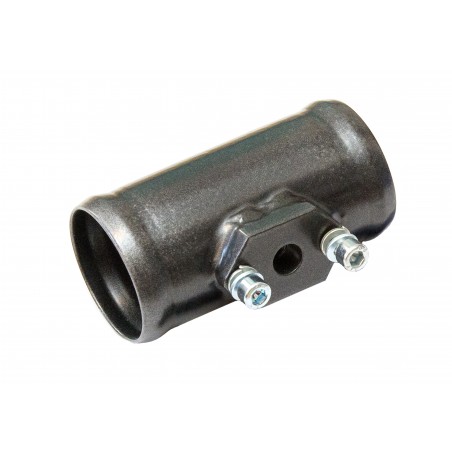
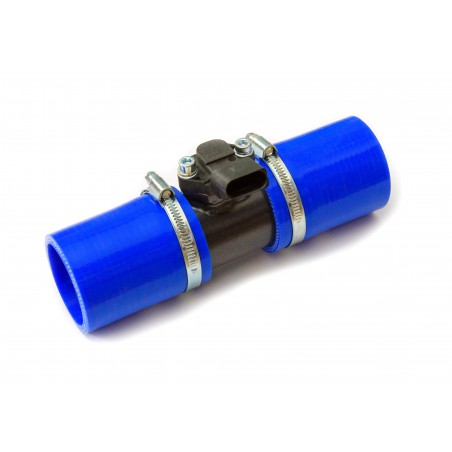
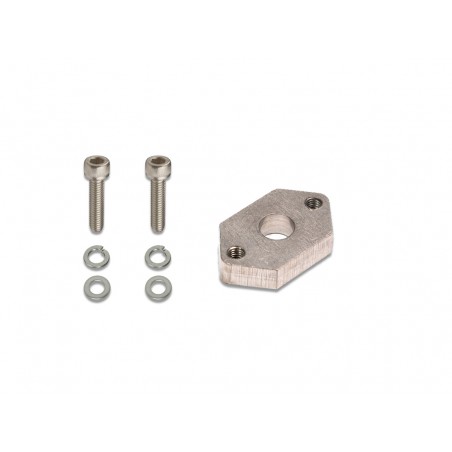
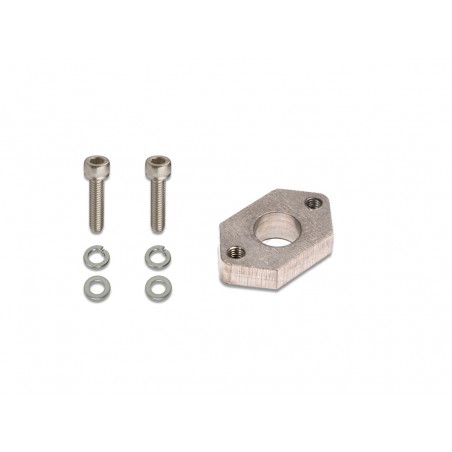
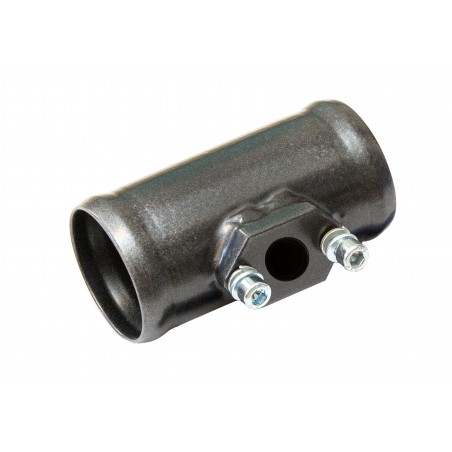
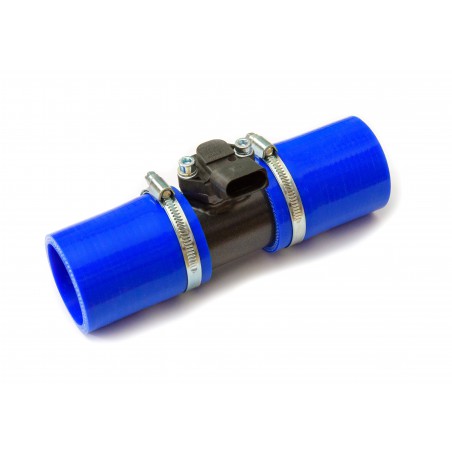
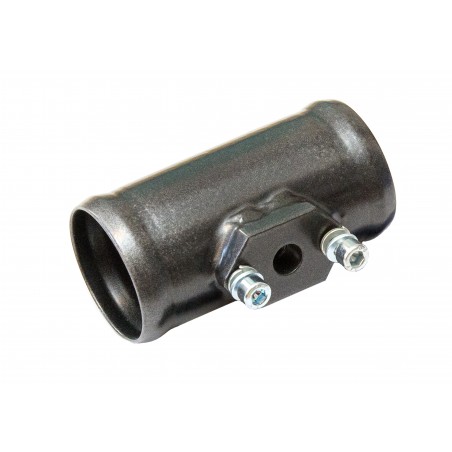
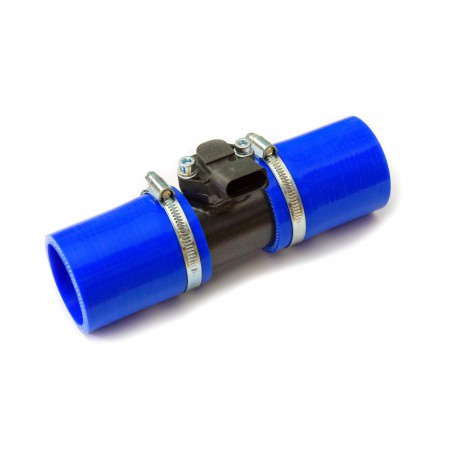
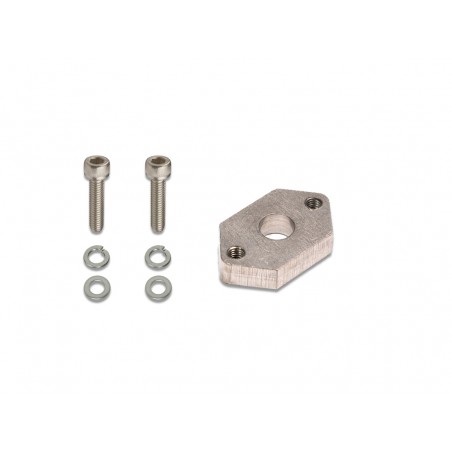
a ‘MAP SENSOR’ base for various engines. All available products are made from stainless steel and are powder-coated. This equipment is used to modify the intake system and to fit the pipework for a new intercooler (which cools the air flowing through the turbocharger). The bases featured on our website are made from high-quality materials that ensure durability and exceptional strength. Fitting them is straightforward: simply cut the pipe at any point and secure it using silicone clamps.Read more
‘MAP SENSOR’ Mount
The ‘MAP SENSOR’ plays a key role in monitoring boost pressure in the engine’s intake system, which is essential for the engine to operate optimally. It is usually located near the intake manifold, where it precisely measures the pressure of the air supplied to the engine. This enables the engine’s operating parameters to be adjusted, which in turn improves its performance and fuel economy. The “MAP SENSOR” adapter ensures the sensor is correctly fitted within the intake system. Its purpose is to guarantee the stability and precision of the sensor’s operation, which in turn ensures the correct functioning of the entire engine management system.Material of the ‘MAP SENSOR’ adapter
‘MAP SENSOR’ adapters, made from powder-coated stainless steel, are characterised by exceptional resistance to corrosion and mechanical damage, ensuring their long-term service life. The powder-coating process further strengthens the adapter’s surface, protecting it from external factors and giving it an attractive finish. These properties make these adapters the ideal choice for discerning users seeking durable solutions.The production of adaptors in a CNC workshop guarantees the highest precision of manufacture and excellent quality of every component. Thanks to advanced CNC technology, it is possible to achieve perfect dimensions and shapes, which translates into trouble-free installation and reliable operation in all conditions. Adaptors produced in this way are also characterised by greater strength and wear resistance.
Choosing the right flange for the ‘MAP SENSOR’
When selecting a flange for a ‘MAP SENSOR’, it is worth paying attention to the material it is made from and its compatibility with a specific vehicle model. Flanges should be made from durable materials resistant to high temperatures and pressure to ensure reliable operation. It is also important that the steel or aluminium flange fits the intake system correctly to avoid fitting problems. We encourage you to consult your vehicle’s technical specifications and the manufacturer’s recommendations. If necessary, our experts can advise on the best solutions tailored to your individual needs and expectations.If, following an intake modification or the fitting of a new intercooler, there is insufficient space for the boost pressure sensor, you’ve come to the right place. The MAP sensor flange solves the problem of fitting the sensor in the intake manifold and helps maintain the system’s airtightness whilst ensuring a consistent reading of absolute pressure.
The MAP sensor, or absolute pressure sensor, measures the pressure in the intake manifold or intake duct and transmits the data to the engine control unit. When the sensor’s mounting position is incorrect, there is an increased risk of leaks, inaccurate measurements and problems when tuning the system.
What does a mounting flange for a MAP sensor do?
The mounting flange acts as both a base and an adapter, allowing the sensor to be fitted in the correct position within the intake system. In practice, it is used when modifying the pipework, welding it into the intake pipe, and adapting the sensor following a change in pipe diameter.
Stainless steel versions predominate in this category. Stainless steel withstands moisture, temperature fluctuations and contact with oil mist from the air intake well, whilst powder coating provides additional protection against corrosion.
Selecting the MAP sensor flange for the engine and pipe diameter
First, check the vehicle group and sensor type. Variants for VAG are suitable for, amongst others, the 1.9 TDI, 2.0 TDI, 1.8 Turbo and 2.0 Turbo. A separate flange for Hyundai/Kia is designed for the 4-pin sensor in engines ranging from 1.0 to 3.0D, fitted in cars from 7 February.
The second step is to check the dimensions. The pipe diameter (51, 57 or 63 mm) must match the pipework, and the 12 or 18 mm bore should fit the specific MAP sensor. Symbols such as 337, 337A, 338 and similar should be treated as variant designations rather than dimensions.
When making your selection, it is worth comparing:
- the diameter of the intake pipe, as this determines whether it can be welded correctly and whether the joint is airtight
- the diameter of the sensor hole, as this affects compatibility with the sensor body
- the finish type, as an unpainted version will be cheaper, whilst a powder-coated finish provides better protection for the metal
- the inclusion of silicone connectors, as these facilitate installation in a modified intake manifold
Differences between variants and approximate prices
The differences between the variants are clear and easy to spot. VAG versions without a powder-coated finish and without silicone connectors cost 43.00 zł, powder-coated versions cost 75.00 zł, and variants with silicone connectors cost 109.00 zł. The flange for Hyundai/Kia costs 55.00 zł.
If the sensor is to operate in a modified system, any apparent saving from choosing the wrong size quickly disappears. Before purchasing, it is best to compare the pipe diameter, the type of sensor connector and the method of installation, as these three factors determine the tightness of the connection and whether the MAP sensor will transmit a reliable signal to the control unit.
FAQ
How do I choose the right flange size for the intake pipe?
Check the pipe diameter (e.g. 51, 57, 63), the size of the sensor hole (12 or 18 mm), the sensor type and the finish — this ensures a leak-tight fit and a correct MAP reading.
Is it worth paying extra for stainless steel and a coating?
Yes. Stainless steel and a powder coating increase resistance to moisture, temperature and oil; this provides better protection and a longer service life for the flange.