
Clamps for cable ties
There are 33 products.
Popular parts and accessories
The products most frequently chosen by our customers


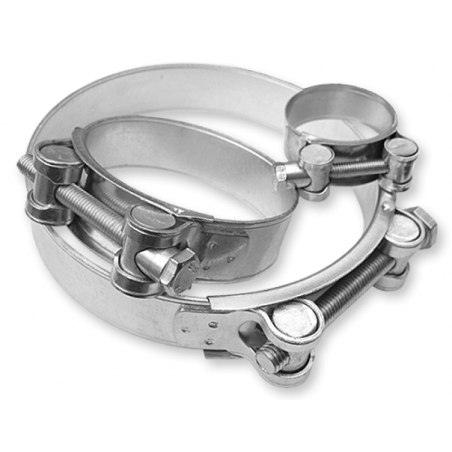
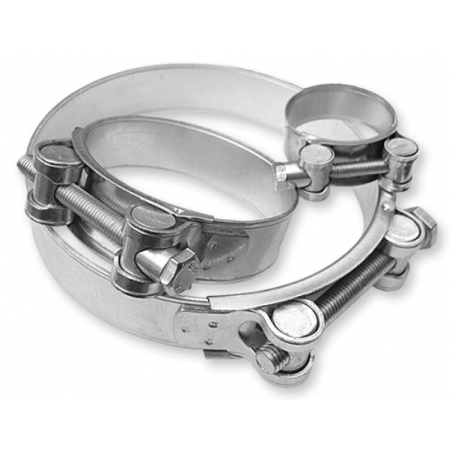
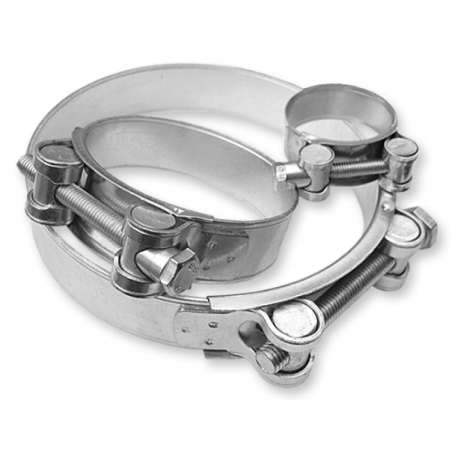
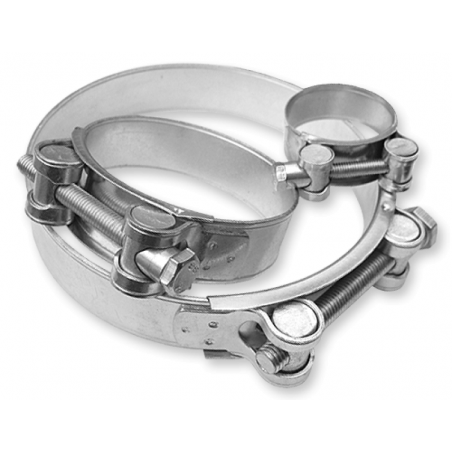
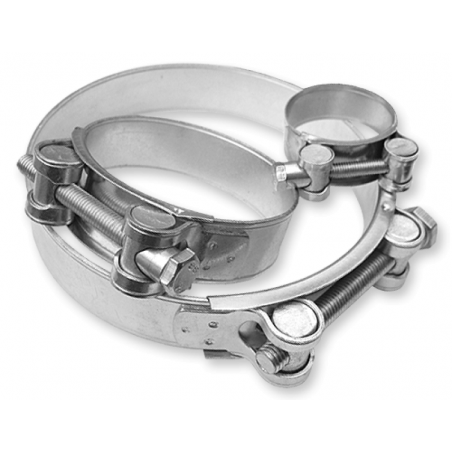
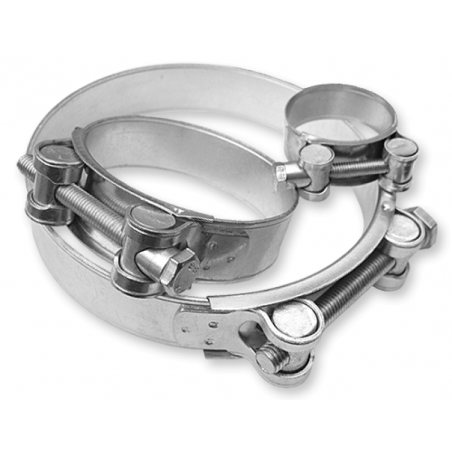
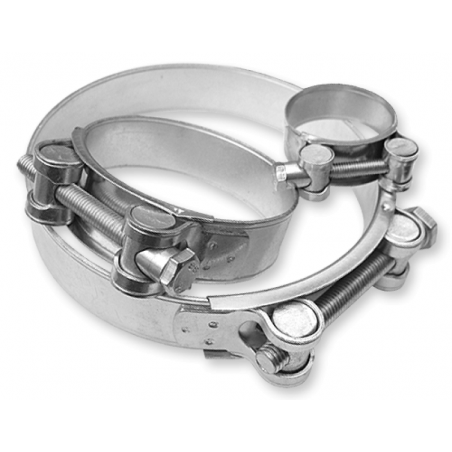
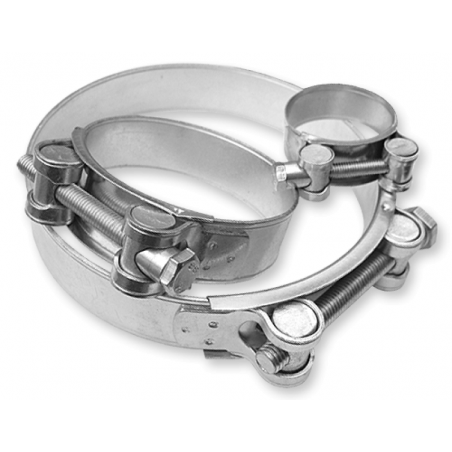
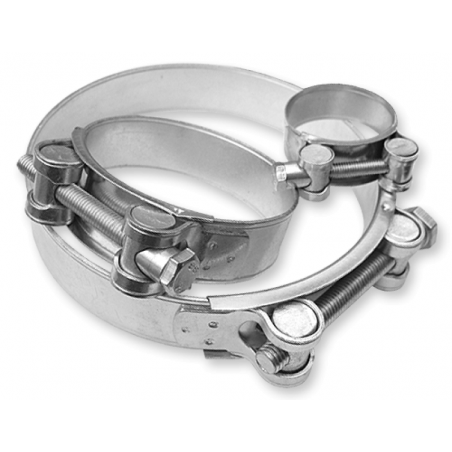
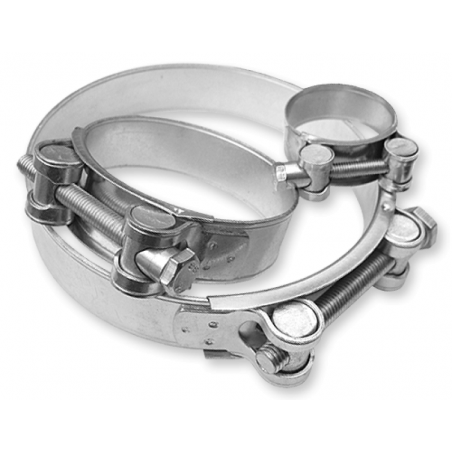
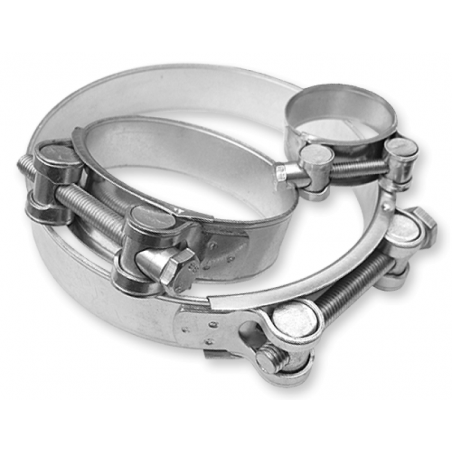
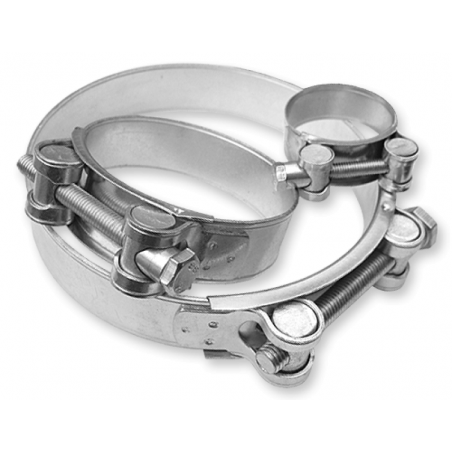
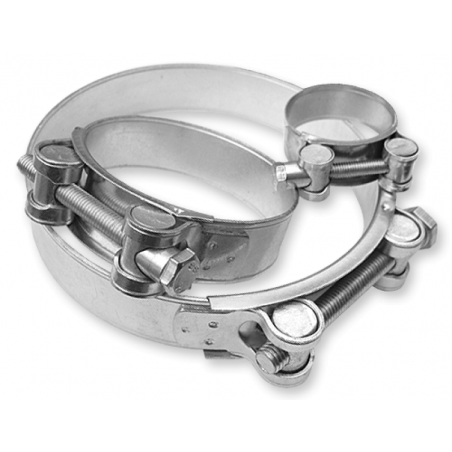
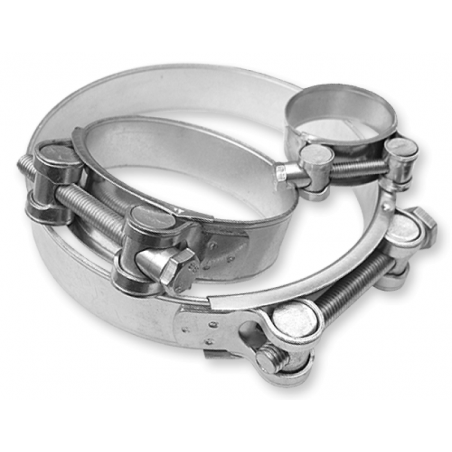
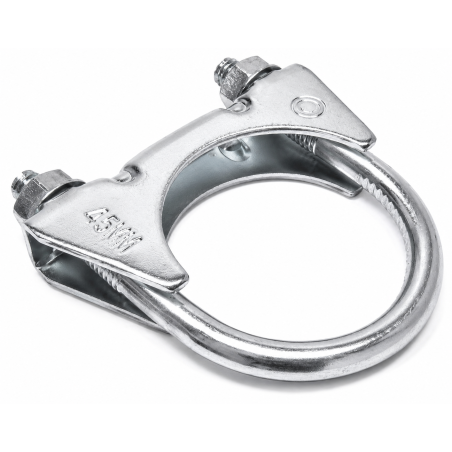
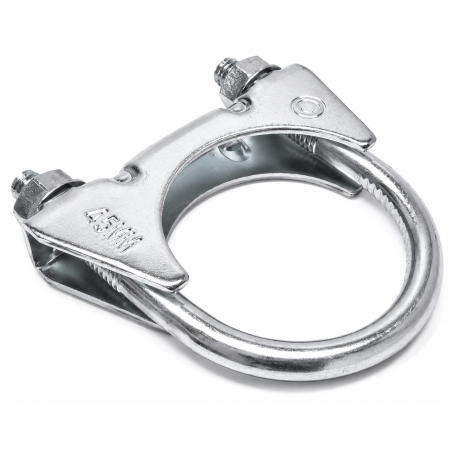
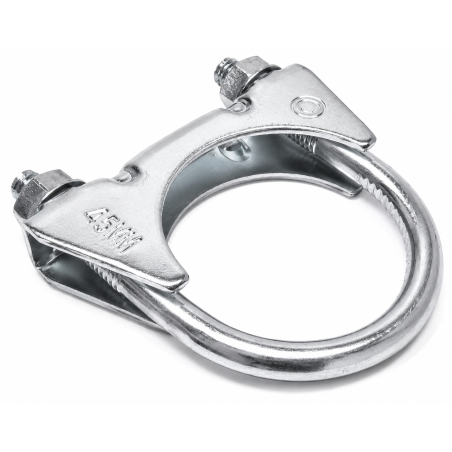
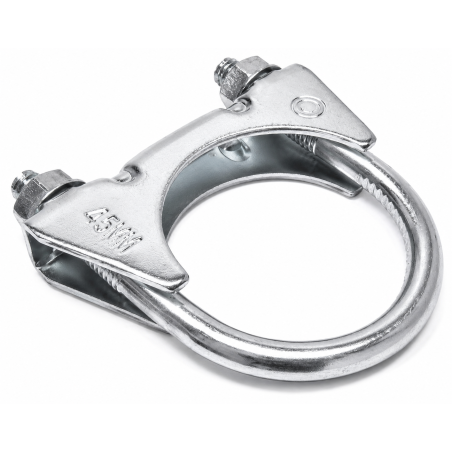
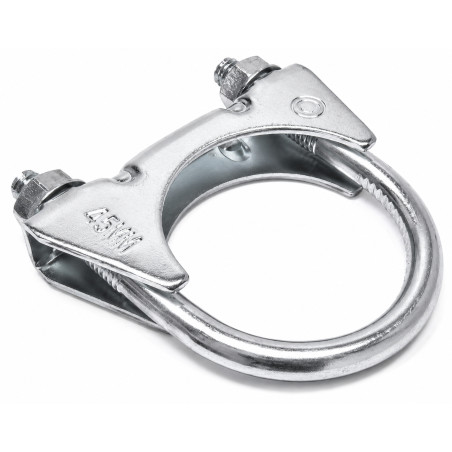
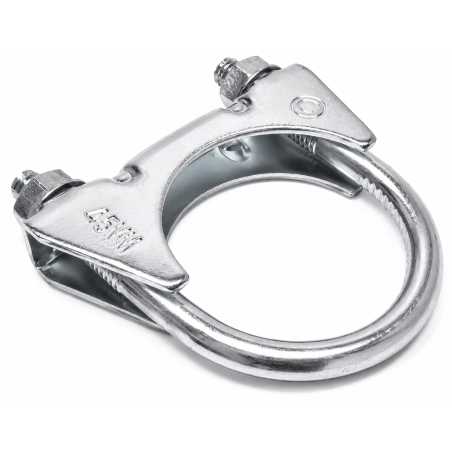
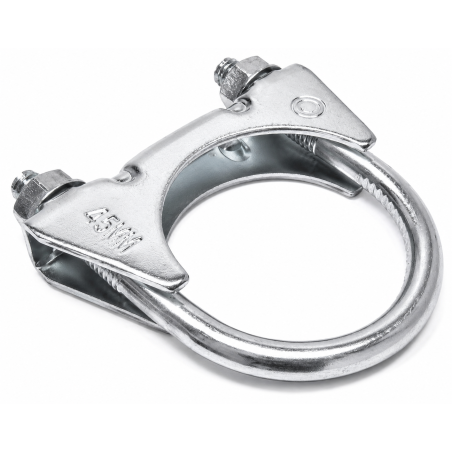
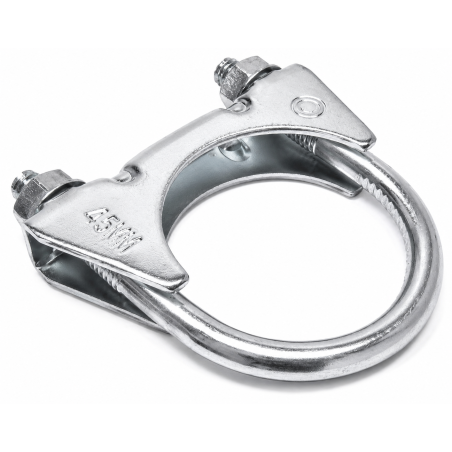
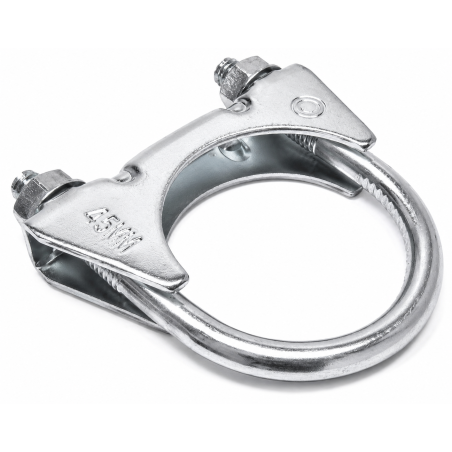
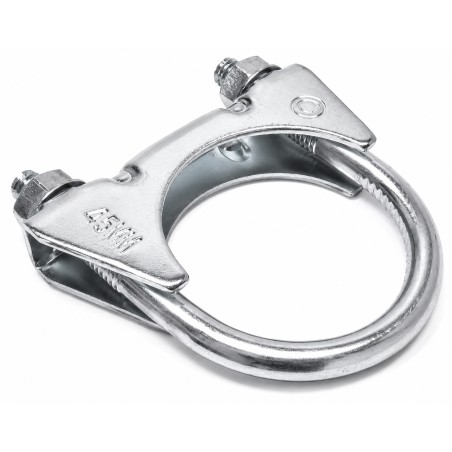
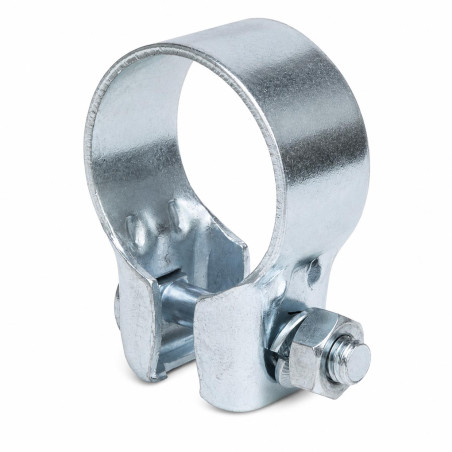
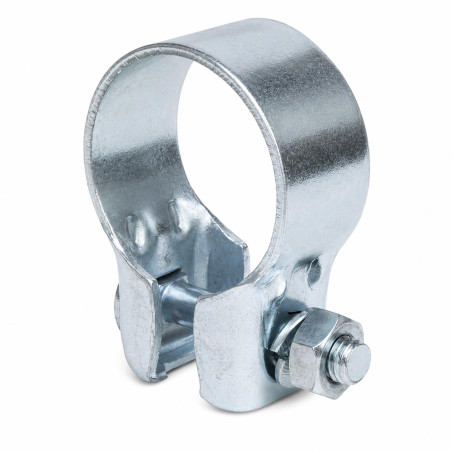
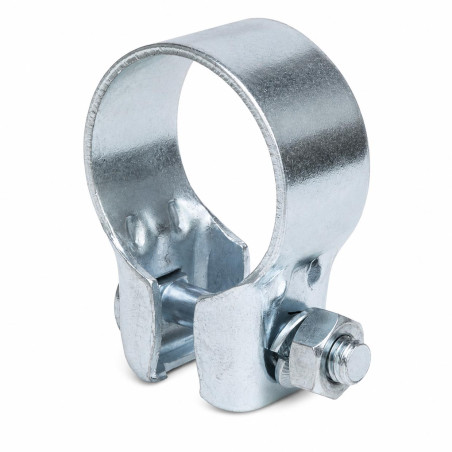
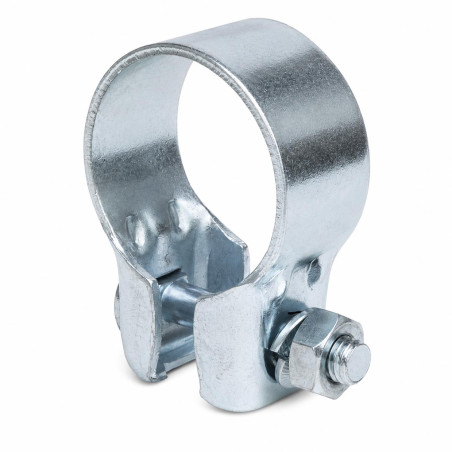
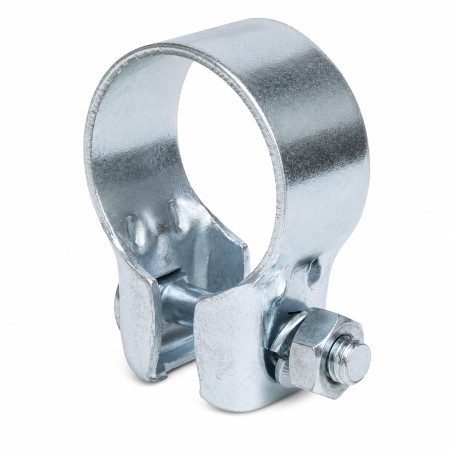
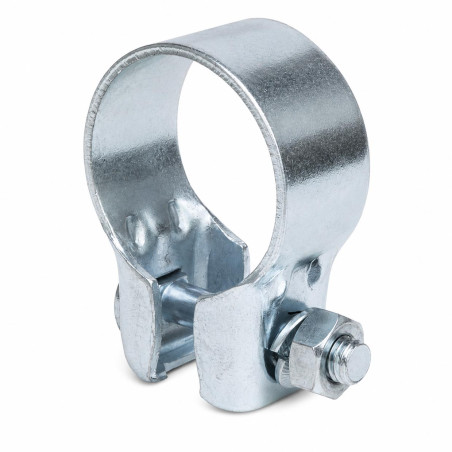
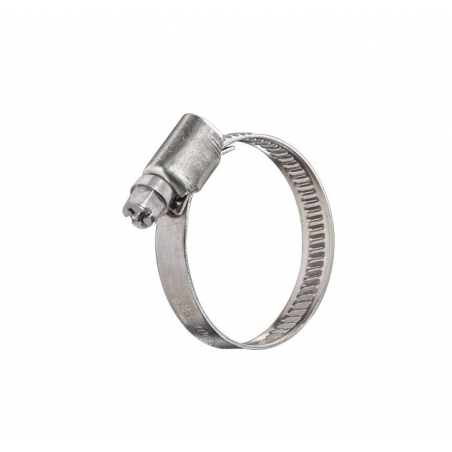
These are versatile fasteners used across many industries. There are several basic types of GBS clamping clamps, such as the standard W1, the reinforced SUPER and the miniature mini. Each type has specific properties tailored to particular applications.
GBS cable ties, made from galvanised steel, provide excellent corrosion protection. They are ideal for use in hydraulic, pneumatic and ventilation systems. We offer a wide range of sizes — from 25 mm to over 90 mm in diameter — allowing them to fit a variety of pipe and hose diameters. We recommend the reinforced GBS SUPER clamps for connections exposed to heavy loads, e.g. in construction machinery. The miniature ‘mini’ variants, on the other hand, are ideally suited to precision installations in the automotive and electronics sectors. Installation and use of GBS
clamps Installation begins with thoroughly cleaning the surface of the pipe or hose. Next, fit the GBS clamp onto the component to be connected, ensuring it fits snugly. Tighten the clamping screw evenly, applying the correct torque. Avoid overtightening, which may damage the clamp or the component being joined.
When selecting the clamp size, use the outer diameter of the pipe or hose as a guide. Allow for an installation clearance of 1–2 mm to compensate for dimensional tolerances. The GBS clamping system is characterised by its simplicity of assembly and disassembly. It allows the clamps to be reused multiple times without losing their properties. Regular checks of the technical condition and retightening of the bolts where necessary extend the service life of the connections.
The products presented are characterised by high resistance to vibrations, shaking and variable loads. Their other advantages include
: - quick and easy installation without specialist tools,
- the ability to reuse the clamps,
- high tightness and durability of connections,
- resistance to corrosion and weathering,
- versatility of application across various industries.
GBS clamps made of stainless steel are suitable for use in aggressive chemical environments. We offer comprehensive installation solutions tailored to individual needs. Select and order the optimal hose clamps for your application!
If a hose starts to sweat, slips when heated, or still shows signs of a leak after tightening, the problem is often not the hose itself, but an incorrectly selected automotive hose clamp. In this category, it is easier to select the correct diameter range, clamp type and band width to suit the actual operating conditions under the bonnet.
Car clamps in this group are used to secure hoses and pipes, but they differ in design. Some are better suited to higher loads and stiffer hoses, whilst others work well with smaller diameters, where precision of tightening and gentle contact with the rubber are key.
How do you choose an automotive clamp to suit the diameter and type of hose?
Selecting the correct diameter begins with measuring the outer diameter of the hose already fitted to the connector. The clamp’s range should match this measurement with a small margin for adjustment, as a clamp that fits too tightly makes installation difficult, whilst a range that is too wide makes it hard to achieve the correct clamping force.
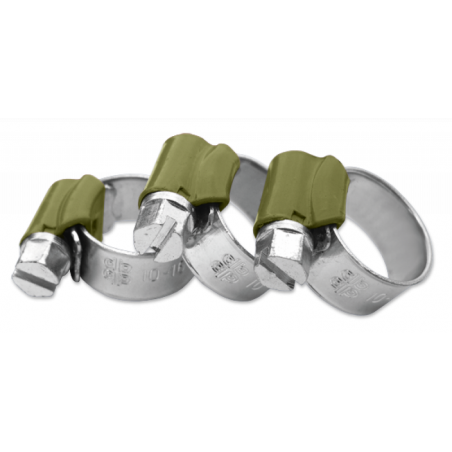
The GBS W1 clamp is available in a range of sizes, from 25–27 to 86–91 mm, making it easier to fit to thicker connections. The FORCE W1 worm-type clamp covers a range of 16–25 mm and is ideal where the diameter is smaller and installation space is limited.
How does the clamp’s design perform in real-world applications?
Automotive clamps are not subjected to load solely during tightening. During operation, vibrations, temperature changes and momentary pressure surges occur; therefore, it is not only the clamping range that matters, but also the way in which force is distributed across the entire circumference of the hose.
The GBS W1 features an articulated closure, a 20 mm wide steel band and a profile that minimises the risk of damage to the hose surface during tensioning and system operation. The FORCE W1 has a 9 mm wide strap, a one-piece screw housing that increases clamping force, and rounded edges and a smooth inner surface, which reduces the risk of cutting the rubber.
When selecting a model, check:
- a diameter range suited to the dimensions after fitting to the connection
- a strap width suited to the hose’s stiffness and thickness
- the type of closure suitable for the loads and the available space
- galvanised protection, i.e. a uniform layer of zinc to prevent corrosion
Carrying out this check before fitting usually helps to avoid two problems at once: insufficient clamping force and damage to the hose wall caused by over-tightening.
Which automotive clamps should you choose for a specific system?
GBS W1 clamps are well suited to flexible hoses, hard rubber hoses and hoses reinforced with plastic or steel, including in vacuum and high-pressure systems. The wider strap distributes the pressure more evenly, which is important for stiffer walls and larger diameters.
The FORCE W1 worm-type clamp is the right choice for smaller diameters and where automotive clamps need to fit into a tighter space. The most common mistake is measuring the hose itself before fitting or tightening it too much. A well-chosen automotive clamp ensures a tight seal without damaging the hose.
FAQ
How do you measure the hose diameter after fitting?
Measure the outer diameter of the hose fitted to the connector and select a clamp with a small amount of adjustment – a clamp that fits too tightly makes installation difficult, whilst too much adjustment prevents the correct clamping force from being achieved.
When should you choose the GBS W1 instead of the FORCE W1 spiral clamp?
The GBS W1, with its 20 mm strap and swivel clasp, distributes pressure more effectively on larger-diameter, stiffer or reinforced hoses; the FORCE W1 (9 mm) is better suited to smaller diameters and in confined spaces.
How can you avoid cutting into the hose or causing it to slip during installation?
Match the strap width to the hose’s stiffness, do not overtighten, use rounded edges and pressure-limiting profiles, and check the zinc coating — this reduces the risk of damage and leaks.