
45° elbows
There are 11 products.
Popular parts and accessories
The products most frequently chosen by our customers


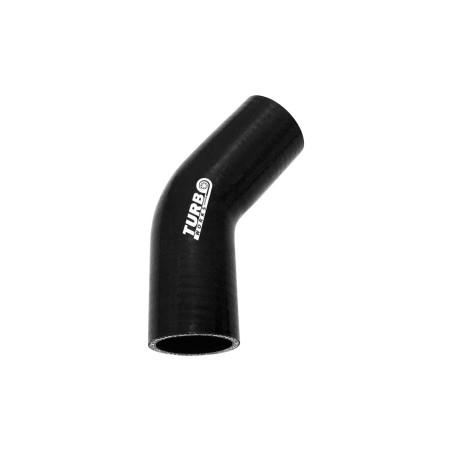
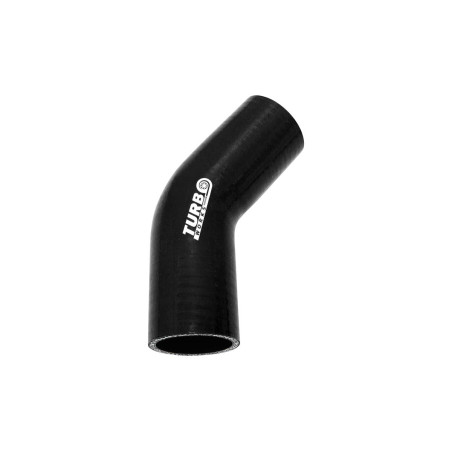
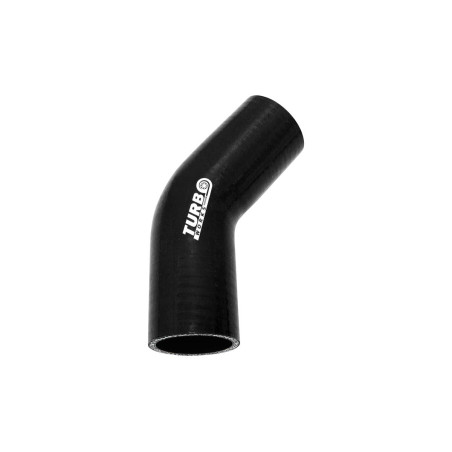
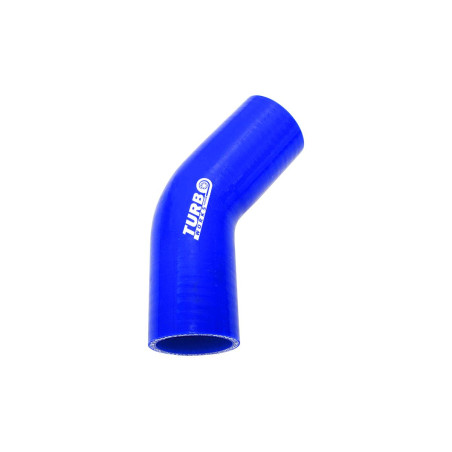
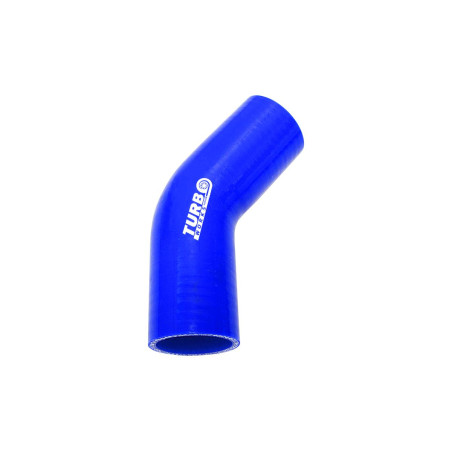
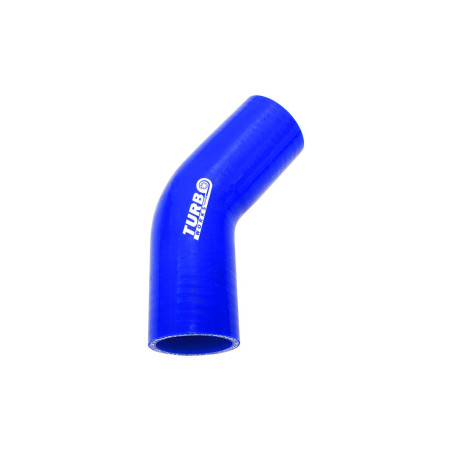
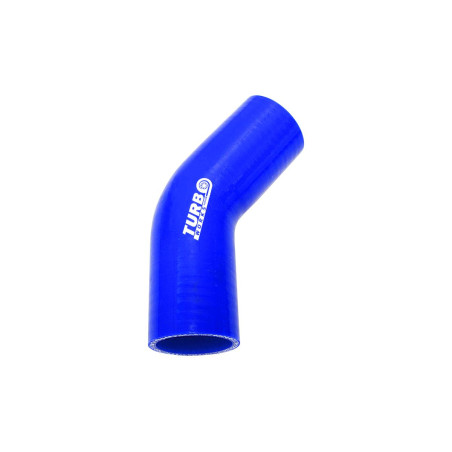
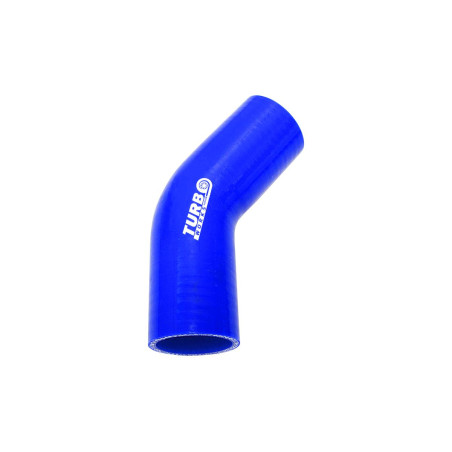
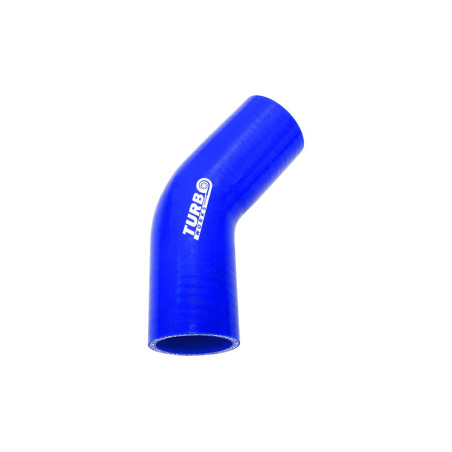
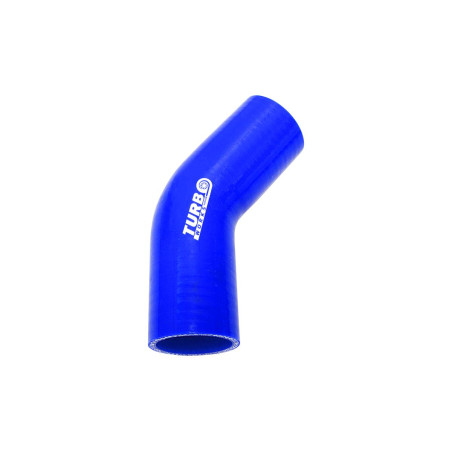
p>When there is not enough space in the engine compartment for a straight section, and the hose needs to change direction without a sharp bend, a well-chosen 45-degree silicone elbow solves the problem. Such a fitting makes it easier to route the hose, improves the seal at the connections and reduces the stresses that often lead to the hose slipping off or the connection breaking.
Read more
What is a 45-degree silicone elbow used for?
A 45-degree elbow changes the direction of flow more gently than a 90-degree version, making it easier to maintain the cross-sectional area and a stable flow of the medium. In the automotive industry, this type of silicone connector is used where flexibility, heat resistance and a leak-proof connection between rigid sections of the system are essential. Silicone effectively dampens vibrations, which means the connection experiences less stress on clamps and fittings.
Selection of diameter and operating conditions
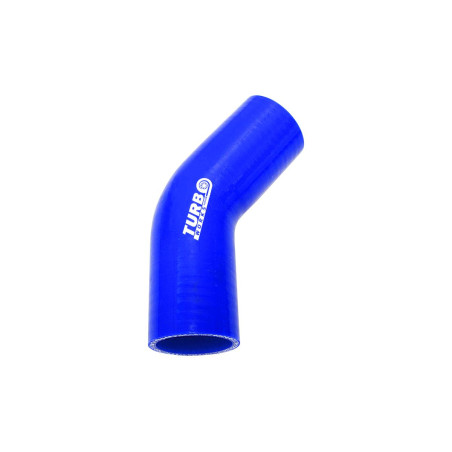
Selection begins with measuring the pipe end, not by guessing based on the model name. The nominal diameter of the elbow should match the external diameter of the pipe or pipe end, and a discrepancy of 1–2 mm can make installation difficult or compromise the seal. This category offers diameters of 18, 25, 45, 51, 57, 60, 63 and 70 mm, as well as black and blue variants.
Before making your choice, check a few things:
- the diameter of both sections to be joined
- the amount of space available for a 45-degree bend
- the operating temperature of the entire system
- the pressure in the system
- the condition of the edges and surfaces of the pipe ends
Limited space around the fittings means that not only the diameter but also the wall thickness must be taken into account. With a wall thickness of 5 mm, the elbow is more robust but requires slightly more space than thinner alternatives. If one option is temporarily unavailable, it is better not to force a replacement with a different size.
Parameters that indicate quality
The quality of a 45-degree silicone elbow is judged by its construction, not its colour. The TurboWorks silicone connector is reinforced with a quadruple braid – that is, four layers of reinforcement – has a wall thickness of 5 mm, operates within a temperature range of -50 °C to +260 °C, and is tested at pressures up to 7 bar. This combination of specifications results in reduced susceptibility to deformation under pressure, improved resistance to clamp pressure and more stable performance in the hot engine compartment.
The parameters that have a real impact on durability are:
- a four-ply braid that minimises deformation under pressure
- a 5 mm wall thickness, increasing resistance to clamp pressure
- an operating range from -50 °C to +260 °C, enabling operation in extreme temperatures
- tests up to 7 bar confirming suitability for pressurised systems
Before making a final decision, compare the specifications with the actual installation conditions. If the system has an unusual layout or operates close to a heat source, it is worth verifying the dimensions and operating conditions before purchasing. Choose the black or blue variant for aesthetic reasons and quick identification of the hose, but it is the size and quality of manufacture that determine its leak-tightness.
FAQ
How do I correctly match the diameter of an elbow to a pipe connection?
Measure the external diameter of the pipe end; do not guess based on the name. The nominal diameter should correspond to this value; an error of 1–2 mm may make installation difficult and compromise the tightness of the joint.
What does wall thickness affect, and when should you choose 5 mm?
A thicker wall increases resistance to clamp pressure and the stability of the system; the 5 mm option is more robust but requires more space. In the case of a tight fit, also take into account the space required and the fit of the clamps.
Will the elbow withstand high temperatures and pressure?
Yes, provided it meets the specifications described in the article: a temperature range of −50°C to +260°C and pressure-testing up to 7 bar. The reinforcement and braiding limit deformation, but always compare the specifications with the installation conditions.