
Lambda Probe Adapters
There are 9 products.
Popular parts and accessories
The products most frequently chosen by our customers


Lambda sensor adapter – modify your exhaust system
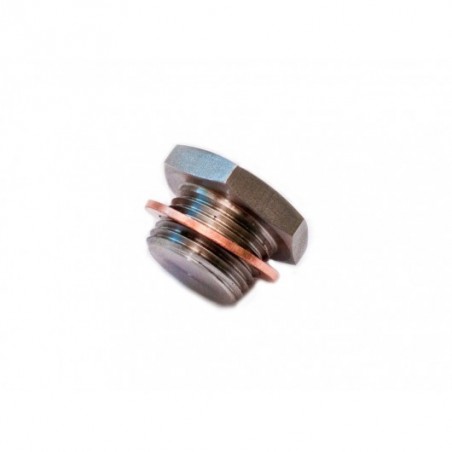
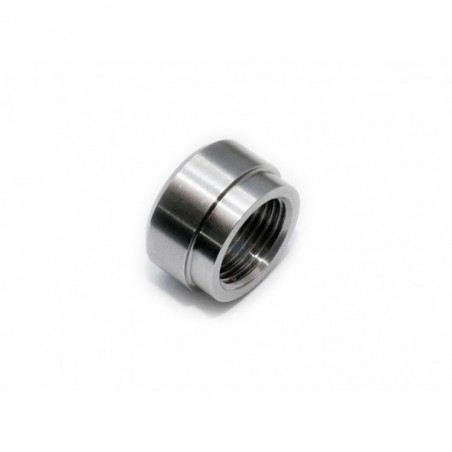
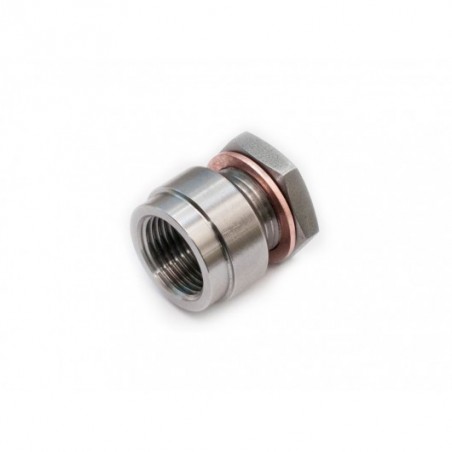
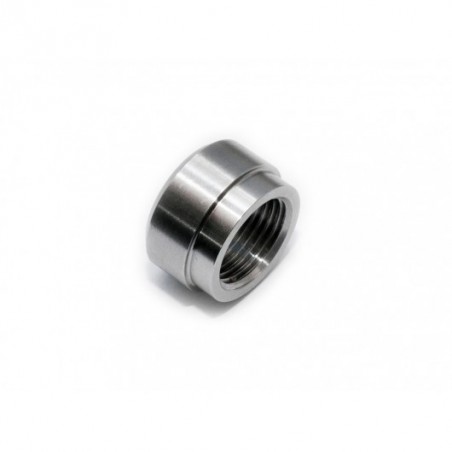
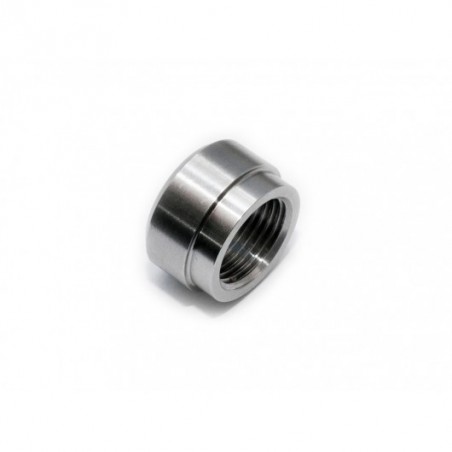
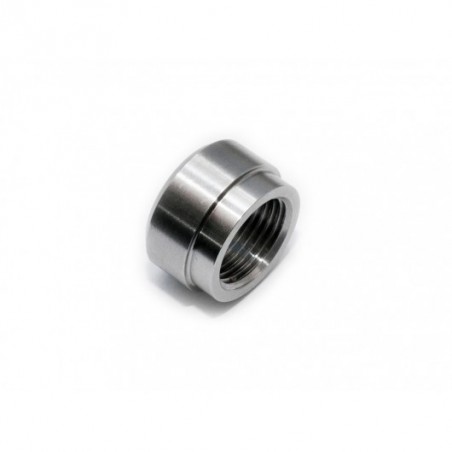
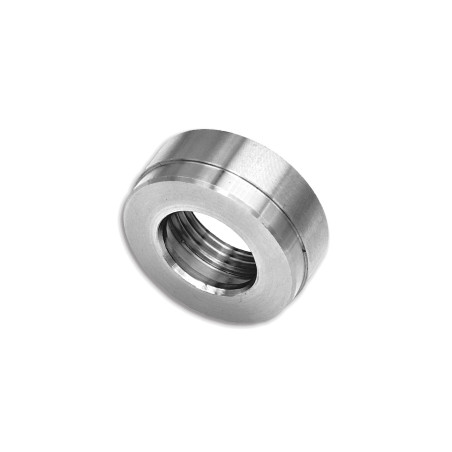
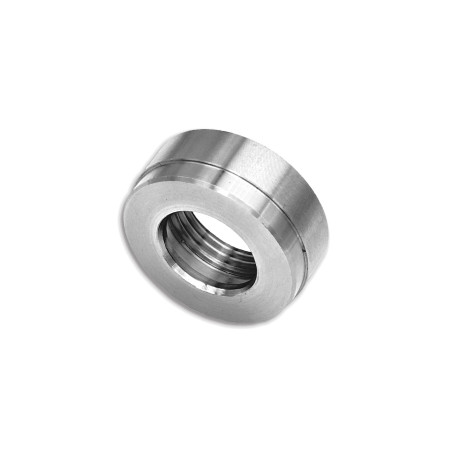
A lambda sensor is a sensor located in the exhaust system that measures the oxygen content in the exhaust gases. Our range includes lambda sensor adaptors in several versions, including sensor sockets and sleeve sockets. The lambda probe adapter is used to modify the exhaust system, weld in a new socket or replace one that is already damaged. Every lambda probe adapter available on the website is made of stainless steel (also known as acid-resistant steel), ensuring it will last for years and that the new socket will never corrode. Various versions of the lambda sensor adaptor, including plugs and sockets, are universal and fit virtually all sensors. They feature M20x1.5, M18x1.5, M16x1.5 and M14x1.5 threads.
Read moreHow to choose a lambda sensor adapter?
There are various types of lambda sensors available on the market, which differ in terms of design and application. Therefore, the first step in choosing the right adapter is to identify the type of lambda sensor fitted to your car, which will enable you to select the appropriate solution. Another important aspect to consider is the compatibility of the lambda sensor adapter with your vehicle’s make and model. The adapter must be suitable for your specific car model to ensure the lambda sensor functions correctly. It is worth checking the adapter’s technical specifications and comparing them with your car’s requirements. If in doubt, it is worth consulting a specialist or the adapter manufacturer, who can help you choose the best solution for your vehicle. The lambda sensor adapter should be made from high-quality materials to ensure long-lasting and reliable performance. It is worth paying attention to the build quality of the adapter, particularly where the connectors and cables are concerned. Poor-quality materials can lead to damage to the lambda sensor, which may result in costly repairs. It is therefore worth investing in a tried-and-tested adapter that will guarantee the safe and effective operation of the lambda sensor.
What is a lambda sensor emulator?
A lambda sensor emulator is an electronic device that simulates the operation of a real lambda sensor. It is mainly used when the catalytic converter has been removed or is damaged. The emulator is connected to the car’s on-board computer and transmits signals to it that mimic the operation of the lambda sensor. Lambda sensor emulators are primarily used in cars that have had their catalytic converter removed or are fitted with a sports exhaust system. Removing the catalytic converter can lead to an increase in engine power and improved vehicle performance; however, this is against the law and may result in the vehicle losing its type approval. A lambda sensor emulator helps to avoid problems relating to exhaust emissions control and on-board computer faults. The use of lambda sensor emulators brings a number of benefits, both for the driver and for the environment. Firstly, emulators help to avoid on-board computer errors and faults caused by a missing or damaged lambda sensor. Furthermore, emulators can improve engine performance and reduce fuel consumption.
How do you choose a lambda sensor cap?
Lambda sensor plugs are manufactured from various materials, which affect their durability and resistance to mechanical damage or corrosion. The most popular materials are stainless steel and aluminium. Stainless steel is characterised by high strength and corrosion resistance, which makes plugs made from this material durable and reliable. Aluminium is lighter than stainless steel but is also corrosion-resistant, making it an attractive choice for those seeking lightweight and durable solutions. It is worth paying attention to the material of the cap to ensure the long-term performance of the exhaust system.
A damaged sensor thread, the absence of a mounting socket following exhaust modification, or the need to seal an unused hole tightly usually lead to the same problem – the sensor has no proper mounting point. A lambda sensor adapter solves this problem by recreating the mounting point, whilst a plug allows the hole to be securely sealed. This category primarily comprises sockets, sleeves and plugs selected according to thread type, material and function within the exhaust system.
What does a lambda probe adapter do in the exhaust system?
A lambda probe adapter or socket restores the correct mounting of the oxygen sensor in the manifold or further down the exhaust system. Correct positioning is crucial, as the lambda probe is responsible for measuring the fuel-air mixture ratio based on the oxygen content in the exhaust gases. If the thread is stripped, misaligned or leaking, the reading may be distorted and the engine control unit receives incorrect data.
Stainless steel, often referred to as acid-resistant steel, performs better here than ordinary steel, as it withstands high temperatures well and does not corrode as quickly when exposed to moisture and the aggressive compounds contained in the exhaust gases. The selection criteria remain similar regardless of whether a conventional sensor or a wide-band sensor is used.
What specifications should you look out for before buying?
Before purchasing, check the thread, material and intended use of the component. For lambda sensors, the most common thread is M18x1.5, and it is precisely this size that is used in this category as the sensor socket in the form of a sleeve. In related systems, other standards are also used, for example M14x1.5 in DPF (diesel particulate filter) systems, M20x1.5 and M22x1.5 for NOx sensors (which measure nitrogen oxides), as well as M16x1.5; therefore, a similar appearance does not necessarily mean compatibility.
A lambda probe adapter is assessed on the basis of thread dimensional compatibility, the correct positioning of the socket after welding, and the material’s resistance to corrosion. The most common mistake is selecting a component based solely on the external diameter, without checking the 1.5 mm thread pitch.
When should you choose a socket, a plug or a kit?
The type of component should be determined by the current condition of the exhaust system, rather than by the part’s name alone. A socket is used to restore or prepare a location for the sensor, a blanking plug is used to seal an unused hole, and a set comprising a socket and a blanking plug allows the system to be prepared in stages. This approach reduces the risk of leaks and the need for re-welding.
When selecting components, it is easiest to follow a simple guide:
- choose a socket or sleeve if the old mounting is damaged or if a new socket needs to be welded in place for the lambda probe;
- choose a plug when the hole is to remain tightly sealed without fitting a sensor;
- choose a set comprising a socket and a blanking plug when the system is to be prepared for the subsequent fitting of a sensor.
Making the right choice starts with measuring the thread of the old component and assessing the fitting location. For parts operating in exhaust gases, even a single millimetre matters.
FAQ
Why is it worth choosing stainless steel for a sensor adapter?
Because stainless steel (acid-resistant) withstands high temperatures and corrosion from aggressive compounds in exhaust gases better, so the socket remains leak-proof and more durable than one made of ordinary steel.
How do I check thread compatibility before purchasing?
Measure the thread size and pitch accurately — not just the diameter. The most commonly used is M18x1.5; also check other standards (M14, M16, M20, M22) and a pitch of 1.5 mm.
When should you choose a socket, a plug or a set?
Choose a thread insert when rebuilding or welding a new mounting point, a blind plug when you want to seal the hole tightly, and a set when you are preparing the assembly in stages for subsequent probe installation.